
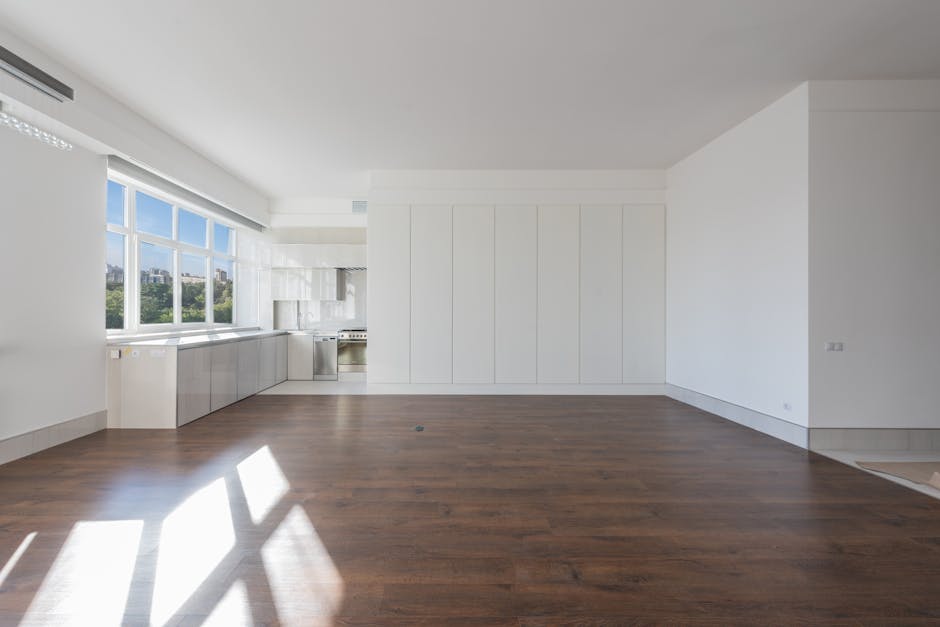
Picture this: You’ve just bought your dream home in University, excited to transform it into your sanctuary. You’ve envisioned a stunning open-concept kitchen and a cozy backyard retreat. But as you dive into your renovation plans, you stumble upon a daunting reality: local building codes. Suddenly, what seemed like a straightforward project feels overwhelming. You’re not alone—many homeowners in our community face this same challenge, often unaware of the critical role these codes play in ensuring safety and compliance.
Local building codes are not just bureaucratic red tape; they are essential guidelines designed to protect you, your family, and your investment. In University, these regulations can vary significantly from neighboring areas, making it crucial for homeowners to understand what’s required before breaking ground. Did you know that failing to adhere to these codes can lead to hefty fines, costly rework, or even dangerous living conditions?
In this guide, we’ll navigate the maze of local building codes specific to University, providing you with the knowledge you need to approach your renovation with confidence. We’ll cover everything from permits and inspections to common pitfalls and best practices, ensuring you stay compliant and safe throughout your project. By the end, you’ll not only be prepared to tackle your renovations but will also appreciate how these codes contribute to the overall integrity and safety of our beloved community. So, let’s roll up our sleeves and get started on creating the home of your dreams—safely and legally!
What Are the Common Challenges Homeowners Face with Local Building Codes in University?
Navigating local building codes can be a daunting task for homeowners in University, particularly when embarking on a renovation project. One of the most significant challenges is the variability of codes across different neighborhoods. Homeowners may find themselves grappling with specific regulations that dictate everything from the materials used to the architectural style of the renovation. For instance, historic districts often have stricter guidelines to preserve the area’s charm, which can complicate modern updates.
Another pressing issue is the seasonal weather conditions that can impact renovation timelines and safety. Heavy rains or snowfall can lead to delays, causing homeowners to rush through necessary permits and inspections, which can result in non-compliance. This not only jeopardizes the safety of the renovation but can also lead to costly fines.
Moreover, neglecting to familiarize oneself with local codes can lead to expensive rework. Imagine investing in a beautiful new deck only to find out it doesn’t comply with setback regulations. The financial implications can be severe, not to mention the stress of having to redo work that was thought to be complete.
Finally, the ever-present risk of safety concerns looms large. Failing to adhere to building codes can lead to hazardous conditions, putting both the homeowners and their families at risk. Therefore, understanding the intricacies of local building codes is not just a matter of compliance; it’s about ensuring a safe and secure living environment for everyone involved. For those seeking help, consider exploring renovation services near Renovation Services in University that specialize in navigating these regulations.
Understanding Local Building Codes for Home Renovation in University: A Guide to Compliance and Safety
When embarking on a home renovation project, especially in a university setting, understanding local building codes is paramount. These regulations are designed to ensure safety, structural integrity, and compliance with zoning laws. Navigating these codes can seem daunting, but there are effective strategies that can streamline the process and enhance the overall success of your project.
To begin with, it’s crucial to conduct thorough research on the specific building codes relevant to your area. Each municipality may have unique regulations regarding materials, construction methods, and safety standards. Engaging with your local building department is a proactive step; they can provide invaluable insights and resources. Many jurisdictions even offer online access to building codes and guidelines, allowing you to familiarize yourself with the necessary compliance requirements from the comfort of your home.
In the immediate term, consider consulting with a licensed architect or contractor who has experience working within your locality. These professionals are well-versed in local codes and can help you design your renovation in a way that meets all requirements. Their expertise not only aids in compliance but can also save you time and money by preventing costly mistakes that might arise from code violations.
For those looking for budget-friendly solutions, exploring prefabricated materials can be an excellent option. Prefabricated components are often manufactured to exact specifications and can simplify the approval process with local authorities. Additionally, they can reduce labor costs and construction time, making them an attractive choice for university students or homeowners on a budget.
In the long term, maintaining an awareness of changes in building codes will serve you well. Building regulations can evolve, and staying informed will ensure that any future renovations remain compliant. Joining local home improvement or renovation groups can provide ongoing education and support as well.
Furthermore, consider implementing sustainable practices in your renovation. Many localities are increasingly adopting green building codes that promote energy efficiency and environmental responsibility. Using eco-friendly materials not only complies with these emerging standards but can also enhance the value of your property.
Lastly, always prioritize safety in every aspect of your renovation. This includes understanding fire codes, structural load limits, and electrical safety guidelines. By being diligent and informed, you will not only adhere to local regulations but also create a safe and welcoming environment for yourself and future occupants.
In summary, navigating local building codes doesn’t have to be overwhelming. By leveraging professional expertise, staying informed about regulations, and embracing sustainable practices, you can achieve a successful home renovation that is both compliant and safe.
Understanding Local Building Codes for Home Renovation in University: A Guide to Compliance and Safety
When it comes to home renovation in University, understanding local building codes is crucial for ensuring compliance and safety. The unique characteristics of this area, including its architecture, climate, and community standards, significantly influence the renovation process. Here’s a closer look at what locals know about navigating these regulations effectively.
- Local Architecture and Historical Considerations: University is known for its blend of historic and modern architecture. Many homes in the area are subject to preservation guidelines that dictate how renovations can be carried out. Homeowners must be mindful of these regulations, particularly when working on older properties that may be listed on historical registries. Engaging with local preservation societies can provide valuable insights into maintaining the integrity of these homes while still achieving desired updates.
- Seasonal Weather Impacts: The climate in University can vary from harsh winters to humid summers, which affects the choice of materials and methods used in renovations. Local builders are often well-versed in selecting materials that withstand temperature fluctuations and moisture levels. For example, using weather-resistant siding and roofing materials is essential in ensuring longevity and reducing maintenance costs over time.
- Geographic Considerations: The topography of University adds another layer of complexity to renovation projects. Properties located near waterways or on sloped land may have specific zoning laws and building codes to follow. Understanding flood zones or erosion control measures is not just a matter of compliance; it’s essential for protecting the home and investment.
- Community Standards and Aesthetic Guidelines: University boasts a vibrant community culture that values aesthetics and environmental sustainability. Renovations often require adherence to community guidelines that promote cohesive aesthetics within neighborhoods. For example, certain materials or colors may be preferred to maintain a unified look. Homeowners should engage with local homeowner associations (HOAs) or community boards to ensure their renovations align with neighborhood guidelines.
- Permits and Inspections: One of the most important aspects of renovation in University is understanding the necessary permits and inspections needed before commencing work. The local government has specific requirements for different types of renovations, from minor updates to major structural changes. Failing to secure the appropriate permits can lead to costly fines and may even require undoing completed work. Homeowners should consult the local building department or a professional knowledgeable in renovation services near Renovation Services in University to navigate this process smoothly.
In conclusion, successful home renovation in University hinges on a thorough understanding of local building codes and regulations. By considering the unique architectural, climatic, and community factors that influence these codes, homeowners can ensure their projects are compliant, safe, and in harmony with the vibrant character of the area. Engaging with local experts and resources can further enhance the renovation experience, making it a rewarding endeavor.
Practical Advice for Navigating Local Building Codes
Understanding local building codes is essential for a successful home renovation. Here’s a guide to ensure compliance and safety:
- Seasonal Maintenance Calendar:
- Spring: Inspect your roof and gutters for damage.
- Summer: Review your exterior paint and siding for peeling or cracking.
- Fall: Check for drafts around windows and doors.
- Winter: Clear snow and ice from vents to prevent blockages.
- Do This, Not That Guidance:
- Do: Obtain necessary permits before starting your renovation.
- Not That: Assume existing structures are up to code.
- Common DIY Mistakes to Avoid:
- Ignoring load-bearing walls when planning demolitions.
- Overlooking electrical and plumbing permits.
- Questions to Ask When Hiring Professionals:
- Are you familiar with local building codes?
- Can you provide recent references for similar projects?
- A Homeowner’s Checklist:
- Verify all permits are approved and posted.
- Schedule inspections at key project milestones.
By following this advice, you can navigate local building codes effectively, ensuring your renovation is compliant and safe.
Navigating the complexities of local building codes can initially seem daunting, especially for homeowners looking to embark on renovation projects. However, understanding these regulations is not just a matter of compliance; it’s about ensuring the safety and longevity of your home. By familiarizing yourself with the specific codes that govern your area, you’re not only safeguarding your investment but also enhancing the overall quality of your living space.
As you move forward with your home renovation, remember that each regulation serves a purpose, whether it’s to protect structural integrity or to promote energy efficiency. Embracing these guidelines can lead to a smoother renovation process and a safer environment for your family. Should uncertainties arise, engaging with local professionals or consulting with your building department can provide clarity and confidence. They can help demystify the process and ensure that your project aligns with all safety standards.
Ultimately, a well-informed approach to renovations empowers you to make decisions that benefit both your immediate needs and the future resilience of your home. Equipped with the right knowledge and resources, you’re ready to transform your vision into reality while adhering to the necessary regulations. This journey not only enhances your living space but also reinforces a commitment to community standards and safety for everyone.