
The urban density of the Greater Toronto Area is aggressively increasing. Whether you live in a soaring glass condominium, a massive multi-generational custom home, or a classic, incredibly narrow townhouse sharing thin brick party walls with noisy neighbors, the intrusion of unwanted sound is the single greatest destroyer of the luxury living experience. You cannot claim to own a true luxury home if you can hear your neighbor’s television, the violent thud of footsteps from the floor above, or the relentless, massive roar of the Gardiner Expressway. Executing a massive custom home renovation provides the absolute, singular opportunity to violently tear down the drywall and aggressively engineer a perfectly silent architectural sanctuary. Redstone Contracting specializes in the highly complex, invisible science of acoustic engineering. This exhaustive 2026 technical guide dissects the exact mechanics of a soundproofing renovation Toronto homeowners desperately need, exploring the profound difference between airborne and impact noise, the necessity of resilient decoupling, and the incredibly strict acoustical bylaws enforced by Toronto condo boards.
The Physics of Noise: Airborne vs. Impact
The absolute most catastrophic error an amateur contractor can make is treating all noise equally. Sound travels through a house via two completely different physical mechanisms, and they require two entirely different, massive engineering solutions.
1. Airborne Noise
This is sound that travels primarily through the air. Examples include loud voices, a screaming baby, a barking dog, or a blasting television. Airborne sound waves travel through the air, hit the drywall, vibrate the drywall, and pass directly through the hollow wall cavity into the next room. The architectural solution for airborne noise is “Mass and Absorption.” You must aggressively pack the hollow wall cavity with massive, dense material to absorb the sound wave, and make the physical wall as heavy and dense as possible.
2. Impact (Structure-Borne) Noise
This is the terrifying, massive booming sound of heavy footsteps on the hardwood floor above you, or the violent vibration of a massive subwoofer. This noise does not travel through the air; it travels directly through the solid, structural skeleton of the house. The foot hits the floor, the floor violently vibrates the massive wooden joists, the joists vibrate the ceiling drywall below, and the ceiling acts like a massive speaker diaphragm, booming the noise into your room. The only architectural solution for impact noise is “Decoupling.” You must physically break the solid connection between the rooms.
| Acoustic Noise Type | The Physical Origin | The Required Engineering Solution |
|---|---|---|
| Airborne (High Frequency) | Voices, TV, sirens, dog barking. | Add massive density and absorption (Heavy drywall + acoustic rockwool). |
| Impact (Low Frequency) | Heavy footsteps, dropping objects, moving furniture. | Decouple the structure entirely (Resilient isolation clips). |
| Vibrational (Sub-Bass) | Massive home theater subwoofers, heavy HVAC machinery. | Extreme mass and heavy decoupling (Mass-Loaded Vinyl + floating floors). |
| Flanking Noise | Sound traveling through shared massive ductwork or open electrical outlets. | Aggressive acoustic putty pads and heavily lined, insulated HVAC ducts. |
The Ultimate Wall Assembly: Decoupling and Mass
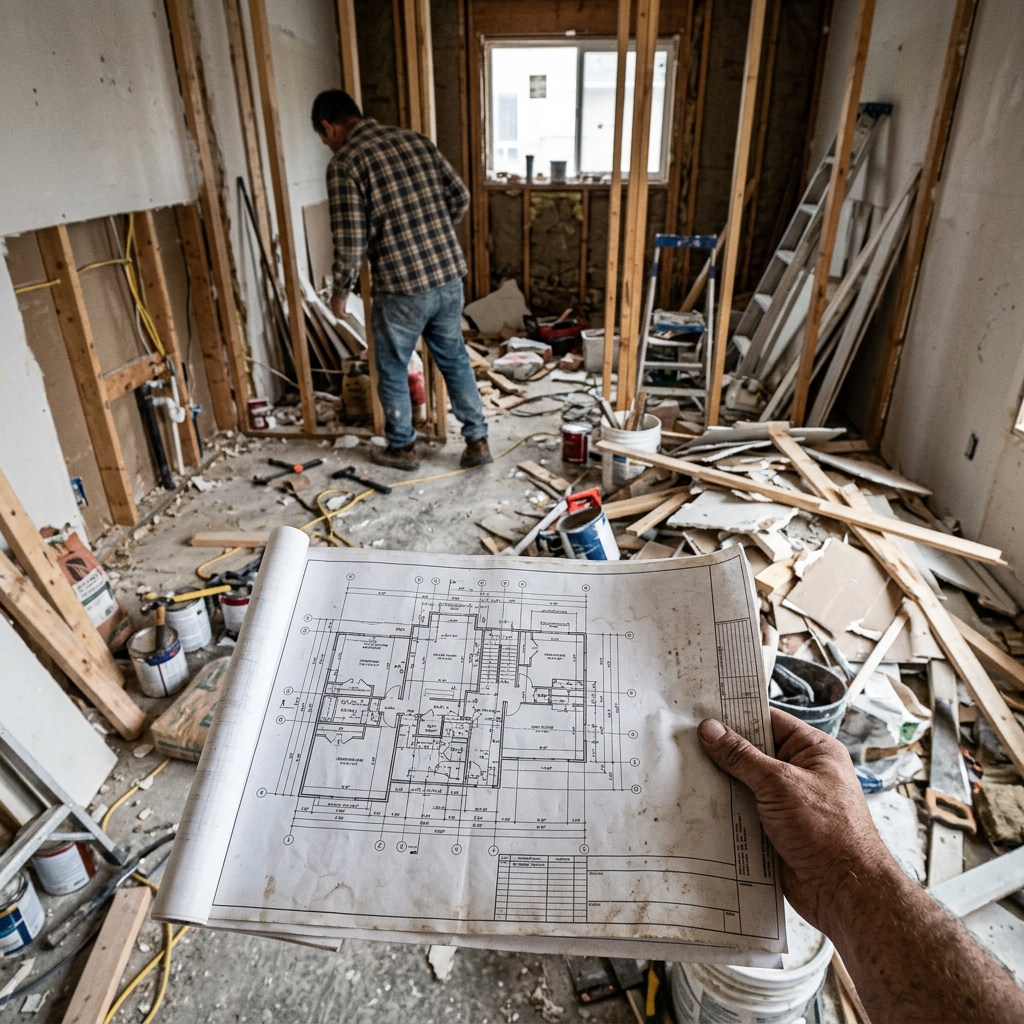
If you share a party wall in a townhouse or are building a massive basement rental apartment (where you do not want to hear the tenants), standard drywall over pink fiberglass insulation is a massive failure. A professional soundproofing renovation Toronto project demands a highly complex, multi-layered wall assembly.
Step 1: The Acoustic Core. We completely strip the wall to the bare wooden studs. We aggressively pack the massive, empty wall cavities with incredibly dense Rockwool Safe’n’Sound insulation. Unlike cheap fiberglass, this heavy mineral wool physically traps and massively absorbs high-frequency airborne sound waves.
Step 2: Decoupling the Structure. We absolutely do not screw the new drywall directly to the wooden studs. Doing so would allow impact vibrations to travel straight through the wood. Instead, we screw highly specialized “Resilient Sound Isolation Clips” (RSIC) directly into the studs. We then snap massive metal “Hat Channels” into these clips. The heavy drywall is screwed exclusively into the metal channel, not the wood. The clips feature heavy rubber isolators that physically break the structural connection. The wall is essentially “floating,” violently destroying the path of impact vibrations.
Step 3: Extreme Mass. We hang massive, incredibly heavy 5/8-inch Type X or specialized acoustic drywall (like QuietRock). To achieve absolute perfection, we frequently hang two complete layers of massive drywall, sandwiching a thick layer of “Green Glue” between them. Green Glue is a revolutionary viscoelastic damping compound. When a massive sound wave hits the wall, the Green Glue instantly converts the acoustic kinetic energy into microscopic amounts of heat, violently killing the sound dead in its tracks.
The Ceiling Nightmare: Stopping the Footsteps
Soundproofing a ceiling is infinitely more difficult than a wall because gravity is actively working against you, and you are fighting the massive, violent kinetic impact of footsteps from the floor above. During a basement renovation, addressing the ceiling is the absolute most critical acoustic task.
The assembly is similar to the wall but requires much heavier engineering. The ceiling joists are aggressively packed with massive Rockwool. The entire ceiling is then decoupled using heavy-duty resilient clips and metal channels. We then hoist two massive layers of 5/8-inch drywall, glued together with heavy Green Glue, onto the ceiling. Furthermore, we must aggressively seal every single massive hole cut into the ceiling for recessed LED pot lights. We utilize specialized, heavy fire-rated acoustic boxes built directly over the back of every single light fixture; otherwise, the sound will simply bypass the massive heavy drywall and pour directly through the tiny holes.
| Acoustic Engineering Material | The Physical Mechanism of Action | Estimated 2026 Cost Bracket |
|---|---|---|
| Rockwool Safe’n’Sound | Massive fibrous density absorbs airborne frequencies inside hollow cavities. | $2 – $4 per sq. ft. |
| Resilient Isolation Clips (RSIC) | Heavy rubber and metal clips physically break the structural connection to stop vibrations. | $5 – $8 per sq. ft. |
| QuietRock (Acoustic Drywall) | Massive, heavy drywall with a polymer core that violently dampens sound waves. | $80 – $120 per massive sheet |
| Green Glue Damping Compound | Converts acoustic kinetic vibration into microscopic heat, killing the sound instantly. | $15 – $25 per tube |
| Mass-Loaded Vinyl (MLV) | Incredibly heavy, limp rubber sheeting that adds massive density to floors and walls. | $3 – $6 per sq. ft. |
The Condo Challenge: Strict Acoustic Bylaws
If you are executing a massive luxury renovation inside a Toronto high-rise condominium, you are operating under the absolute, dictatorial control of the Condo Board. The most heavily regulated component of any condo renovation is replacing the flooring.
Condo boards are terrified of impact noise complaints between neighbors. If you tear out the old carpet and attempt to install massive, hard-surface engineered hardwood or luxury porcelain tile, the board will demand strict, mathematically proven acoustic engineering. You absolutely must submit a formal specification sheet proving that your new flooring assembly meets their massive minimum “IIC” (Impact Insulation Class) and “STC” (Sound Transmission Class) ratings.
To achieve this, the contractor cannot simply glue the new wood to the massive concrete slab. We must install an incredibly heavy, highly engineered acoustic underlayment. The absolute elite standard is a 10mm to 12mm thick layer of massive, recycled rubber (like Regupol) glued completely to the concrete. The new engineered hardwood is then glued directly to the top of the rubber mat. This thick, heavy rubber layer acts as a massive shock absorber, violently dampening the impact of high heels or dropped objects before the vibration can penetrate the massive concrete slab and annoy the neighbor below.
Flanking Noise: The Hidden Enemy
You can spend $30,000 engineering the most massive, heavy, decoupled wall in existence, but if you ignore “Flanking Noise,” the entire system catastrophically fails. Flanking noise is sound that finds a tiny, hidden path around your massive acoustic wall.
The most common culprits are massive, shared HVAC ventilation ducts and back-to-back electrical outlets. If two electrical outlets are placed in the same stud cavity facing opposite rooms, sound will violently travel right through the plastic boxes. An elite acoustic contractor will aggressively offset all electrical boxes so they never share the same cavity, and wrap the back of every single box in incredibly heavy, dense acoustic putty pads. Furthermore, massive sheet metal HVAC ducts act like giant megaphones, carrying sound instantly from the kitchen directly to the master bedroom. Ducts must be aggressively wrapped in massive acoustic insulation or replaced with highly specialized, heavy acoustic flex-ducts to kill the sound transmission.
| Flanking Noise Path | The Architectural Failure | The Elite Acoustic Solution |
|---|---|---|
| Electrical Outlets | Cutting huge holes in the massive acoustic drywall, allowing sound to pour right through the plastic box. | Offsetting the boxes to different cavities and wrapping them entirely in heavy acoustic putty pads. |
| HVAC Ductwork | Massive hollow metal tubes that act like megaphones, transmitting voices effortlessly across the house. | Aggressively lining the ducts with acoustic baffles or wrapping them in heavy MLV (Mass-Loaded Vinyl). |
| Recessed LED Lights | Cutting 10 tiny holes in an incredibly expensive, massive soundproof ceiling. | Building massive, heavy drywall fire-boxes directly over the back of every single fixture in the joist cavity. |
| Solid Core Doors | Installing a cheap, hollow-core door that acts like a massive drum, letting all sound pass through. | Mandating incredibly heavy, 1.75-inch solid-core wooden doors with massive perimeter weather-stripping seals. |
The Financial Equation of Silence
Executing elite, highly technical soundproofing is an incredibly labor-intensive and material-heavy process. A single massive sheet of QuietRock drywall costs six times more than standard drywall, and the highly complex installation of resilient channels and Green Glue significantly extends the project timeline. However, the ROI on a perfectly silent home addition or master suite is utterly profound. It elevates the property from a standard dwelling into an elite, hyper-luxurious sanctuary. In the dense, chaotic environment of Toronto, absolute silence is the ultimate, undeniable hallmark of true architectural luxury.
Why does stuffing massive amounts of pink fiberglass insulation into the ceiling fail to stop the noise of heavy footsteps from the floor above?
What is “Green Glue,” and why is it mandatory in an elite soundproofing renovation Toronto project?
If I replace the carpet in my Toronto condo with hard hardwood flooring, why will the condo board aggressively block the renovation?
What is the absolute best way to soundproof a massive shared “party wall” in a narrow Toronto townhouse?
Why did the acoustic engineer demand that I install incredibly heavy, solid-core doors on the bedrooms instead of standard hollow doors?
Can I completely soundproof a room without tearing down the existing drywall to expose the massive wooden studs?
Schedule Your Elite Acoustic Consultation Today
Achieving absolute silence in a dense urban environment requires incredibly precise, highly technical acoustic engineering. Do not entrust your sanity to a contractor who thinks standard pink insulation solves impact noise.
Call us today at (905) 901-1006 or request a comprehensive acoustic architectural consultation to begin designing the ultimate silent sanctuary for your home.
Redstone Contracting has been the trusted elite authority for highly complex, massive acoustic engineering and luxury renovations across Toronto, Mississauga, and Burlington for decades. From precision resilient decoupling to flawless massive drywall installation, our master craftsmen deliver uncompromising modern luxury and absolute acoustic perfection.