
Building a laneway suite has become one of the most sought-after residential construction projects in Toronto and the surrounding GTA. Whether you are looking to generate rental income, house aging parents, or create a private home office, understanding the full scope of laneway suite toronto cost factors is essential before breaking ground. From navigating City of Toronto zoning bylaws to selecting the right materials and managing the construction timeline, this guide covers everything property owners need to know about building a garden suite in 2026.

What Is a Laneway Suite and Why Is the Laneway Suite Toronto Cost Worth It?
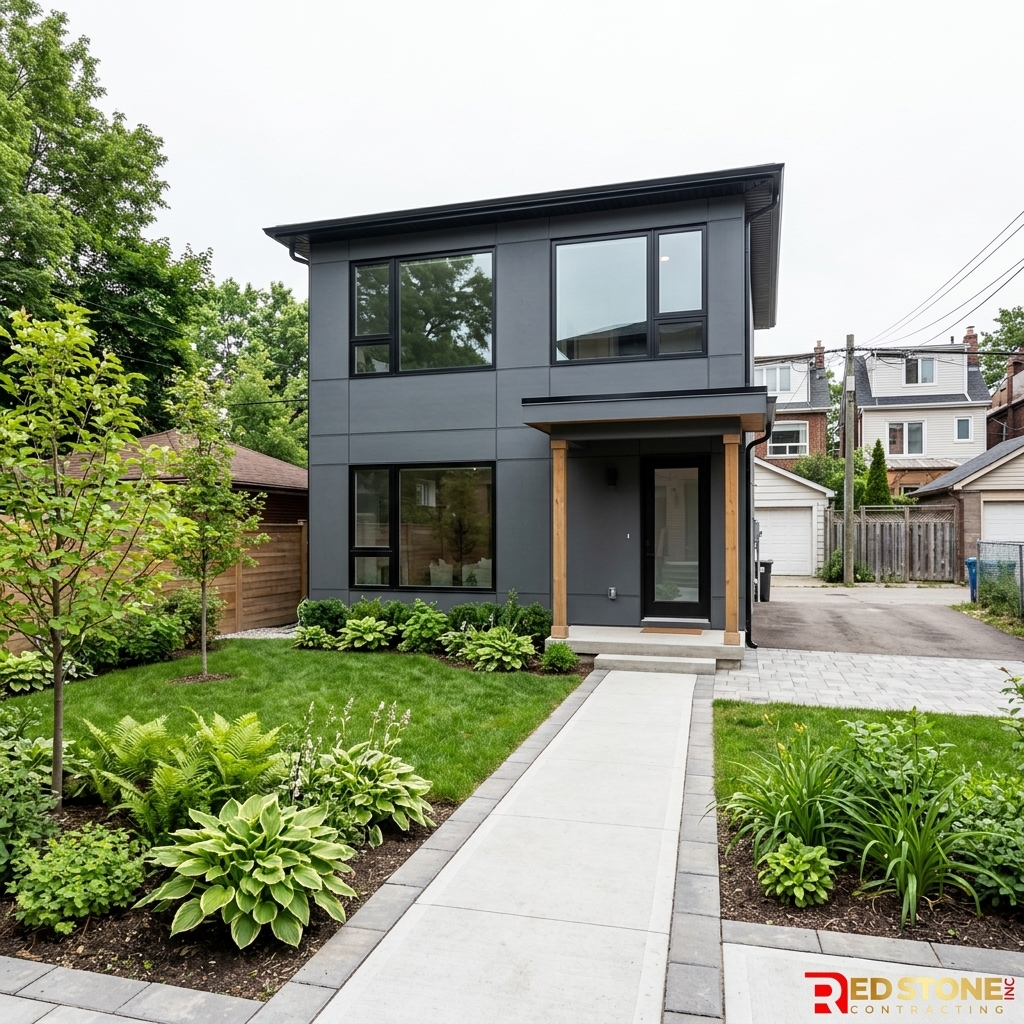
A laneway suite, also known as a garden suite or coach house, is a self-contained residential unit built in the rear yard of an existing property, typically accessed from a public laneway. Since the City of Toronto officially legalized laneway suites in 2019 through Zoning Bylaw 569-2013, thousands of homeowners have explored the option as a strategic way to add livable square footage to their properties without subdividing or purchasing additional land.
Unlike a basement apartment or secondary suite within the main dwelling, a laneway suite is a completely independent structure with its own entrance, kitchen, bathroom, bedroom, and mechanical systems. This independence makes it an ideal solution for multigenerational families, a high-value long-term rental unit, or even a detached home office or creative studio space. The laneway suite toronto cost is significant, but the return—both in lifestyle and in property value—makes it one of the strongest investments a homeowner can make in today’s real estate climate.
Key Benefits for Toronto Homeowners
- Rental income potential: A well-designed one-bedroom laneway suite in central Toronto can generate between $1,800 and $2,800 per month in rental income, potentially covering your mortgage payments.
- Property value increase: Adding a legal secondary dwelling significantly boosts the appraised value of your property, often by $150,000 to $250,000 or more depending on the neighbourhood.
- Multigenerational living: Aging parents or adult children can maintain their independence while living steps away from the main household.
- No lot severance required: Unlike building a second home on your lot, laneway suites do not require land division or a separate property title.
Laneway Suite Toronto Cost Breakdown for 2026
The total cost of constructing a laneway suite in the GTA varies based on size, design complexity, site conditions, and the level of interior finishes. Below is a detailed cost breakdown for a typical one-storey and two-storey laneway suite built in Toronto in 2026.
| Cost Category | One-Storey Suite (~500 sq ft) | Two-Storey Suite (~900 sq ft) |
|---|---|---|
| Architectural Design and Drawings | $8,000 – $15,000 | $12,000 – $22,000 |
| Building Permits (City of Toronto) | $3,000 – $6,000 | $4,500 – $8,000 |
| Site Preparation and Demolition | $5,000 – $12,000 | $8,000 – $18,000 |
| Foundation and Structural Work | $25,000 – $40,000 | $40,000 – $65,000 |
| Framing, Roofing, and Exterior Envelope | $30,000 – $50,000 | $55,000 – $85,000 |
| Mechanical (HVAC, Plumbing, Electrical) | $20,000 – $35,000 | $30,000 – $50,000 |
| Interior Finishes (Kitchen, Bath, Flooring) | $25,000 – $45,000 | $40,000 – $70,000 |
| Landscaping and Exterior | $5,000 – $15,000 | $8,000 – $20,000 |
| Total Estimated Cost | $180,000 – $300,000 | $280,000 – $450,000+ |
These figures represent a mid-range to high-quality build. Economy builds using prefabricated or modular construction methods can sometimes reduce costs, while custom architectural designs with premium finishes will push the budget higher. A detailed quote from a qualified custom home renovation contractor is the only way to get an accurate project estimate.
City of Toronto Zoning Requirements and Permits
Navigating the regulatory landscape is one of the most complex parts of any laneway suite project. The City of Toronto has specific eligibility criteria that your property must meet before construction can be approved.
Eligibility Criteria
- Your property must abut a public laneway that is at least 3.5 metres wide (approximately 11.5 feet).
- The laneway suite must not exceed a maximum height of 6 metres for a flat roof or 7.5 metres for a peaked roof (two storeys).
- The suite must maintain minimum setbacks from the rear and side lot lines (typically 1.5 metres from the rear and 0.6 metres from the side).
- The total lot coverage, including the main house, garage, and laneway suite, generally cannot exceed the zoning maximums for your lot.
- The suite must have its own independent servicing—separate water connections, electrical panel, and sanitary sewer hookups.
- Fire access and separation distances from the main house must comply with the Ontario Building Code.
The Permit Application Process
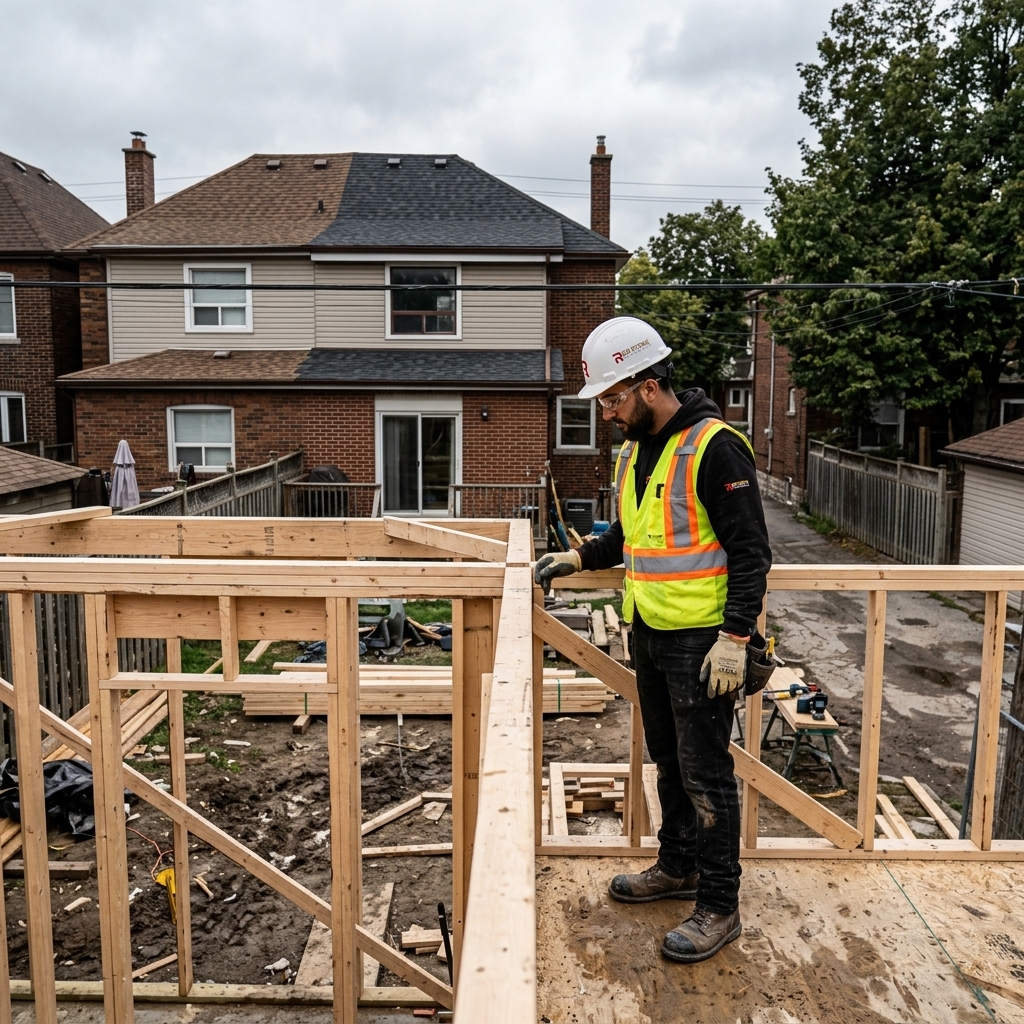
Applying for a building permit involves submitting a complete set of architectural drawings, structural engineering calculations, a grading and drainage plan, and a site survey. The City of Toronto typically takes 10 to 16 weeks to review and approve laneway suite applications, although complex sites may take longer. Working with an experienced contractor who has completed multiple laneway suite projects significantly streamlines this process, as they can anticipate common reviewer comments and submit a stronger initial application.
Design Considerations and Layout Options
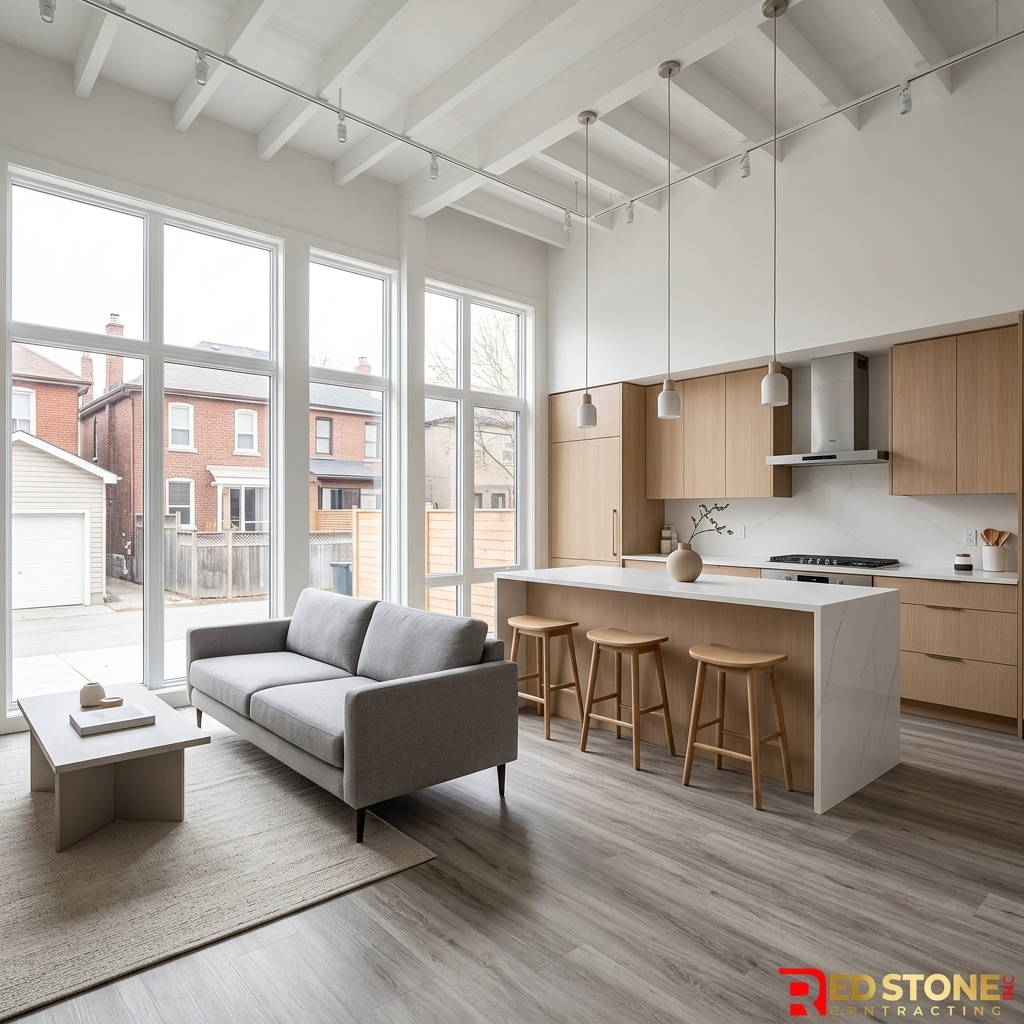
Laneway suites are inherently compact, which makes thoughtful design absolutely critical. Every square foot must serve a purpose, and the layout should maximize natural light, storage, and livability despite the smaller footprint.
| Design Element | Best Practice for Laneway Suites |
|---|---|
| Floor Plan | Open-concept living, kitchen, and dining on the main floor. Bedrooms on the upper floor or separated by a partition wall for privacy. |
| Windows and Glazing | Oversized windows on the south and west-facing walls to maximize daylight. High clerestory windows maintain privacy from neighbours. |
| Ceiling Height | Minimum 8-foot ceilings on the main floor. Vaulted or exposed beam ceilings create a sense of spaciousness in compact layouts. |
| Storage | Built-in shelving, under-stair storage, wall-mounted cabinetry, and mudroom cubbies near the entry maximise usable space. |
| Outdoor Space | A small front porch, Juliet balcony, or rooftop deck extends the living area and adds architectural character. |
| Accessibility | Single-storey designs with barrier-free bathrooms are ideal for aging-in-place applications. Wider doorways (36 inches) and curbless showers are recommended. |
Construction Timeline: What to Expect
From the first consultation to handing over the keys, a laneway suite project typically spans 10 to 14 months. The timeline is heavily influenced by the permitting phase, weather conditions, and the complexity of site servicing.
| Phase | Duration | Key Activities |
|---|---|---|
| Design and Architecture | 4 – 8 weeks | Site survey, concept design, architectural drawings, engineering |
| Permit Approval | 10 – 16 weeks | City review, revisions, zoning compliance verification |
| Site Preparation | 1 – 2 weeks | Demolition of old garage, grading, utility trenching |
| Foundation | 2 – 3 weeks | Excavation, formwork, concrete pour, curing, waterproofing |
| Framing and Envelope | 3 – 5 weeks | Wood framing, sheathing, roofing, window and door installation |
| Mechanical Rough-Ins | 2 – 3 weeks | Electrical wiring, plumbing, HVAC ductwork, inspections |
| Interior Finishes | 4 – 6 weeks | Insulation, drywall, flooring, kitchen, bathroom, painting |
| Landscaping and Final | 1 – 2 weeks | Exterior finishes, walkways, grading, occupancy inspection |
| Total | 10 – 14 months |
Winter construction in Toronto is possible but may add delays during the foundation and exterior envelope phases. Starting in late winter or early spring allows the heaviest outdoor work to occur during favourable weather conditions, with interior finishes completing through the fall and winter months.
Rental Income Potential and ROI
One of the primary drivers behind laneway suite construction is the ability to generate meaningful rental income. In Toronto’s competitive rental market, well-designed laneway suites—particularly those in desirable neighbourhoods—command premium rents due to their privacy, separate entrance, and modern finishes.
A typical one-bedroom laneway suite in neighbourhoods like the Danforth, Leslieville, High Park, or the Junction can realistically rent for $2,000 to $2,500 per month in 2026. Two-bedroom suites with dedicated parking can exceed $2,800 per month. At the lower end, a suite generating $2,000 monthly produces $24,000 annually, which translates to a payback period of approximately 10 to 15 years on a $300,000 build—not including the substantial increase in your property’s assessed value.
For homeowners considering a home addition to accommodate family or generate income, a laneway suite often provides a better return than a traditional wing addition because it creates a fully independent dwelling unit with its own address and utility connections.
Common Challenges and How to Overcome Them
While the opportunity is compelling, laneway suite construction does present unique challenges that homeowners should anticipate.
- Tight site access: Laneways are narrow, limiting the size of equipment and delivery vehicles. Experienced contractors plan logistics meticulously, often using smaller excavators and scheduling material deliveries during off-peak hours.
- Neighbour relations: Construction noise and activity in a rear laneway can create tension with adjacent neighbours. Proactive communication, defined working hours, and shared fence/landscaping agreements help maintain positive relationships.
- Utility connections: Running independent water, sewer, electrical, and gas services from the street to the rear of the lot can be one of the most expensive line items. Trenching costs depend on the distance from the main service connections and whether rocky soil or existing underground utilities must be navigated.
- Tree preservation: If mature trees exist in your rear yard, the City of Toronto may require an arborist report and impose tree protection zones, which can restrict the building footprint or require expensive root protection measures.
Choosing the Right Contractor
A laneway suite is a fully engineered, independently serviced building—not a simple backyard shed or garage renovation. Selecting a contractor with documented experience in laneway suite construction is critical. Things to verify include:
- A portfolio of completed laneway suite projects in Toronto.
- Familiarity with the City of Toronto permitting process and common reviewer requirements.
- Proper WSIB workplace safety insurance and comprehensive general liability coverage.
- Transparent, itemised cost estimates that separate hard costs from soft costs.
- A clear communication plan with regular site updates and milestone reporting.
How much does a laneway suite cost to build in Toronto in 2026?
Does my property qualify for a laneway suite in Toronto?
How long does it take to build a laneway suite?
Can I rent out my laneway suite?
Do I need to demolish my existing garage to build a laneway suite?
Is a laneway suite a good investment in the current market?
Build Your Laneway Suite with Red Stone Contracting
A laneway suite is one of the largest and most rewarding investments you can make in your property. From the initial concept through to the final inspection, you need a contractor who understands the unique engineering, zoning, and construction challenges these projects present. Our team has deep experience managing the full lifecycle of laneway suite builds throughout Toronto and the GTA.
Call us today at (905) 901-1006 or request a free consultation online to explore how a laneway suite can transform your property.
Red Stone Contracting has built a trusted reputation across Toronto, Oakville, Burlington, and Mississauga for delivering exceptional home additions, custom renovations, and laneway suite construction with transparent pricing and uncompromising quality.