
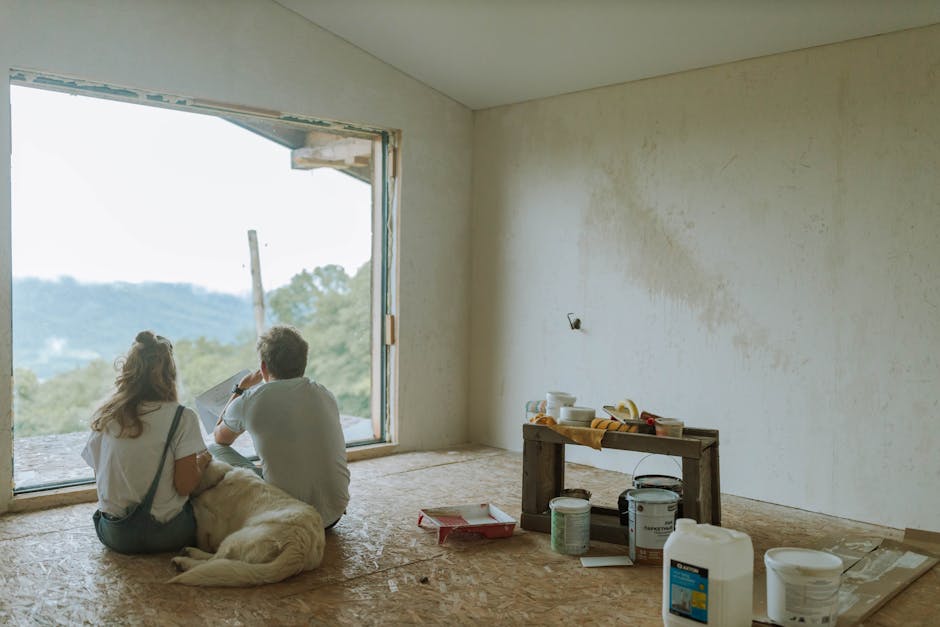
Imagine you’ve finally settled on a vision for your dream home in Bay-Cloverhill—a cozy reading nook, an expanded kitchen for family dinners, or perhaps a stunning outdoor deck for summer gatherings. You’re excited, plans are drawn, and then reality hits: the maze of local building regulations. Suddenly, what seemed like a straightforward renovation turns into a daunting task filled with permits, codes, and inspections that can leave even the most experienced DIYers scratching their heads.
Many homeowners in the Bay-Cloverhill area share this experience. You’re not alone if you’ve been overwhelmed by the thought of navigating the local building codes. In fact, a recent survey revealed that nearly 60% of homeowners feel confused by the complexities of renovation regulations in their region. This statistic underscores the importance of understanding not only what you want to build but also how to do so legally and safely.
Building regulations exist for a reason—they ensure that renovations meet safety standards and contribute positively to the community. By familiarizing yourself with the local requirements, you can avoid costly fines and delays, and ultimately, ensure that your project enhances the beauty and integrity of Bay-Cloverhill.
In this guide, we’ll walk you through the essential steps to successfully navigate local building regulations for your home renovation. From understanding permit processes to tips for working with local officials, you’ll gain the knowledge you need to turn your renovation dreams into reality without unnecessary hiccups. Let’s dive in and make your vision for your home a reality!
What Are the Common Challenges Homeowners Face with Building Regulations in Bay-Cloverhill?
Navigating local building regulations in Bay-Cloverhill can be a daunting task for homeowners looking to renovate their properties. One of the most pressing issues is the inconsistent enforcement of regulations, which can vary not only by neighborhood but also by the specific contractor you choose. This inconsistency often leads to confusion about what permits are necessary and which regulations must be adhered to, resulting in potential delays and increased costs.
Seasonal challenges can also complicate renovation efforts. For instance, winter months may impose stricter deadlines for certain projects, as cold weather can hinder construction timelines and lead to issues like frozen pipes or inadequate insulation. Homeowners often find themselves racing against time, which can compromise the quality of the work being done.
Furthermore, neglecting to comply with local regulations can have significant cost implications. Fines for non-compliance can add up quickly, and failing to secure the necessary permits may result in costly retrofits to bring a home up to code after the fact. Safety concerns are paramount as well; without proper oversight, renovations may inadvertently create hazardous conditions that endanger the occupants.
To effectively manage these challenges, it’s advisable to seek expert advice and consider professional renovation services near Renovation Services in Bay-Cloverhill. With the right support, homeowners can navigate the complexities of local regulations and ensure that their renovation projects are both compliant and successful.
Navigating Local Building Regulations for Home Renovation in Bay-Cloverhill
When embarking on a home renovation project in Bay-Cloverhill, understanding and navigating local building regulations can significantly influence the success and legality of your endeavors. Here are some essential strategies to ensure compliance and streamline the renovation process.
To begin with, familiarizing yourself with the local building codes is crucial. These codes dictate everything from structural integrity to safety measures, and they are often updated. Check the municipal website or visit the local building department to obtain the most current regulations. This proactive approach prevents potential delays and fines down the line.
Engaging with a knowledgeable local contractor or architect can offer invaluable insight into the specific requirements for your project. Professionals in the area are well-versed in the nuances of local codes and can help you interpret them effectively. They can also assist in the preparation of necessary documentation, such as blueprints and permit applications, ensuring that your submissions meet all local standards.
Another effective strategy is to conduct a thorough assessment of your property before starting any work. This includes understanding zoning laws, which may restrict certain types of renovations or dictate the size and placement of additions. A property survey can reveal boundary lines and easements that might affect your plans, allowing you to adjust accordingly and avoid conflicts with neighbors or local authorities.
For those on a budget, consider focusing on renovations that enhance energy efficiency or sustainability. Many local governments offer incentives for green building practices, which can offset costs. Utilizing materials that meet or exceed energy-efficiency standards not only contributes to the life quality of your home but may also qualify for rebates or tax credits.
Long-term planning is another crucial aspect of navigating building regulations. Think beyond the immediate renovation and consider how your changes will impact future projects. Creating a comprehensive renovation plan that aligns with local guidelines ensures that subsequent improvements will be easier to approve and implement.
Lastly, maintaining open communication with local authorities throughout your renovation process is essential. Regular check-ins can help clarify any misunderstandings regarding regulations and keep your project on track. By fostering a cooperative relationship with officials, you can often mitigate issues before they escalate into costly delays or compliance problems.
In summary, understanding and navigating local building regulations in Bay-Cloverhill requires a combination of research, professional guidance, and strategic planning. By employing these methods, you can ensure a smoother renovation journey that adheres to local standards while also enhancing your property’s value and functionality.
Understanding Local Building Regulations for Home Renovation in Bay-Cloverhill
When embarking on a home renovation project in Bay-Cloverhill, it’s crucial to navigate the local building regulations effectively. This coastal community, with its unique blend of historic charm and modern living, has specific requirements that homeowners must adhere to in order to ensure a successful renovation. Here’s what locals know that can streamline your renovation journey.
Local Factors to Consider
1. Environmental Considerations
Bay-Cloverhill is known for its beautiful coastal environment, which plays a significant role in the regulations surrounding home renovations. Local authorities prioritize the preservation of natural habitats and the management of coastal erosion. Homeowners should be aware that any renovation project, especially those near the waterfront, will likely require environmental assessments. It’s advisable to consult with local experts who are familiar with these regulations to avoid potential fines or delays.
2. Historical Preservation
Many homes in Bay-Cloverhill are steeped in history, and local regulations often reflect a commitment to preserving this heritage. If your home is classified as a historical structure, renovations may be limited to maintain its architectural integrity. This means that homeowners might need to obtain special permits before making significant changes. Engaging with local renovation services can provide you with insights into preserving your home’s historical features while enhancing its functionality.
3. Seasonal Considerations
The climate in Bay-Cloverhill influences not just the timing of renovations but also the materials and methods used. With the area’s wet winters and humid summers, certain construction techniques may be prohibited during specific seasons to prevent damage. For example, exterior renovations are best undertaken in the drier months to ensure that materials set properly and avoid potential water damage.
4. Comparison with Neighboring Areas
Comparing Bay-Cloverhill with nearby communities such as Sandy Shores or Crestview can provide insights into local regulations. While these areas may have similar building codes, Bay-Cloverhill’s emphasis on environmental protection and historical preservation can make its regulations more stringent. Understanding these differences can help you plan your renovation more effectively and avoid compliance issues.
5. Local Resources and Support
Utilizing local renovation services in Bay-Cloverhill can be invaluable. These professionals not only understand the intricacies of local building codes but also have established relationships with permitting offices and inspectors. By seeking out renovation services near Renovation Services in Bay-Cloverhill, homeowners can ensure that their projects adhere to all local regulations while benefiting from expert advice tailored to the community’s unique characteristics.
Conclusion
In conclusion, navigating local building regulations for home renovation in Bay-Cloverhill requires a keen understanding of the area’s specific requirements. By considering environmental impacts, historical preservation, and leveraging local expertise, homeowners can ensure a smooth renovation process. Always keep in mind that regulations can change, so staying informed and connected with local renovation services is essential for a successful home improvement project.
Practical Advice for Navigating Local Building Regulations for Home Renovation in Bay-Cloverhill
Understanding local building regulations can be daunting, but with the right approach, you can simplify the process. Here’s a practical guide to help you on your renovation journey:
- Seasonal Maintenance Calendar:
- Spring: Inspect your roof and gutters; consider any structural repairs needed.
- Summer: Plan interior renovations; check for permits required for major changes.
- Fall: Prepare your home for winter; seal windows and doors to prevent heat loss.
- Winter: Review local regulations; stay informed about changes that may affect your next project.
- Do this, not that Guidance:
- Do: Consult your local building department before starting.
- Not: Assume old permits are still valid; check for updates.
- Early Warning Signs to Watch For:
- Cracks in walls or ceilings—potential structural issues.
- Water stains—indicating possible leaks or drainage problems.
- Common DIY Mistakes to Avoid:
- Neglecting to pull necessary permits.
- Ignoring local building codes—always research!
- Questions to Ask When Hiring Professionals:
- Are you licensed and insured in Bay-Cloverhill?
- Can you provide references from previous clients?
- A Homeowner’s Checklist:
- Gather all necessary documents and permits.
- Consult with neighbors about potential disruptions.
- Keep a record of all communications with contractors.
By staying informed and organized, you can effectively navigate the complexities of local building regulations while ensuring a smooth renovation process.
Navigating local building regulations in Bay-Cloverhill can feel overwhelming, but the journey is essential for realizing your home renovation dreams. Embracing the intricacies of these regulations not only safeguards your investment but also enhances the overall value and safety of your property. By understanding the local guidelines, you empower yourself to make informed decisions that align with community standards and expectations.
As you embark on your renovation project, consider the long-term benefits that compliance can offer. Imagine the peace of mind that comes with knowing your renovations are not only beautiful but also legally sound. The right permits and approvals can prevent future headaches and costly fines, allowing you to focus on what truly matters—transforming your space into a reflection of your personal style.
For those who may still feel uncertain about the process, remember that you’re not alone. Local experts and resources are available to guide you through every step, ensuring that your project aligns with both your vision and the community’s requirements. Take a moment to explore these options; the right support can make a world of difference in navigating the regulatory landscape.
Ultimately, your renovation journey is about creating a home that reflects your aspirations. With careful planning and the right knowledge, you can turn your vision into reality while building a safer, more compliant environment for you and your family. Embrace this opportunity to enhance your home and community with confidence.