
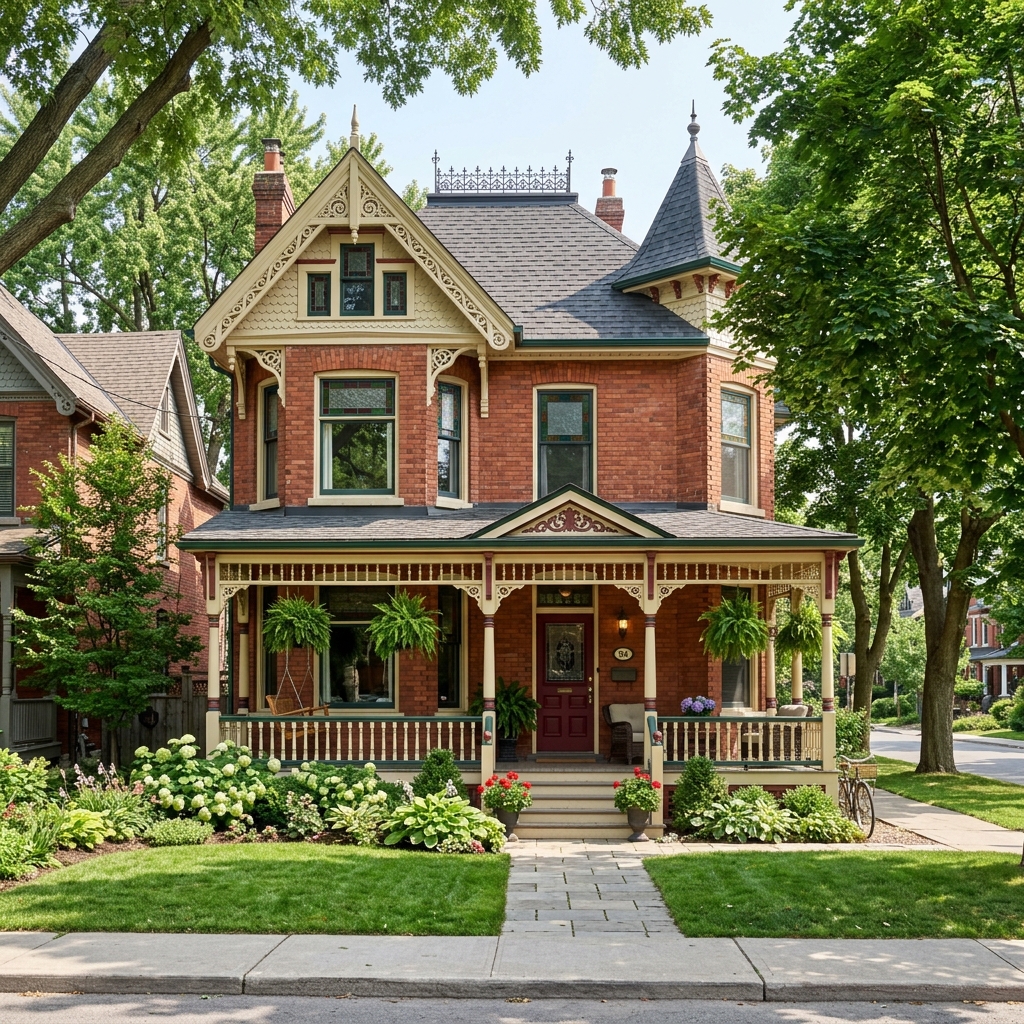
Owning a century-old home in one of Toronto’s elite, historic neighborhoods—such as Cabbagetown, The Annex, or High Park—is an exercise in massive architectural stewardship. These properties are irreplaceable monuments to Edwardian and Victorian craftsmanship, featuring soaring 11-foot ceilings, incredibly intricate plaster crown moldings, and massive, solid-oak pocket doors that simply cannot be replicated by modern builder-grade construction. However, beneath that stunning, historic facade frequently lies a terrifying infrastructure: lethal knob-and-tube electrical wiring, violently rotting cast-iron plumbing stacks, and foundation walls that crumble upon touch. Executing a massive modernization on these properties requires a profound level of surgical precision. You cannot simply smash through walls with a sledgehammer; you must execute a highly calculated architectural extraction. Redstone Contracting specializes exclusively in the hyper-complex intersection of historic preservation and ultra-modern structural integration. This exhaustive 2026 technical guide dissects the exact mechanics of a heritage home renovation Toronto owners demand, detailing the brutal municipal permit labyrinth, the eradication of toxic materials, and how to successfully graft a massive, modern luxury interior onto a 100-year-old skeleton.
The Bureaucratic Labyrinth: Heritage Preservation Services
If your property is formally “Designated” under the Ontario Heritage Act, or if it sits within a highly protected Heritage Conservation District (HCD), you no longer have absolute dictatorial control over your property’s exterior architecture. You have entered a massive bureaucratic labyrinth.
Before you can replace a single rotting wooden window frame, alter the pitch of the roofline during a massive home addition, or change the paint color on the front porch brickwork, you must submit exhaustive, highly detailed architectural drawings to Toronto Heritage Preservation Services. The board’s primary mandate is aggressive conservation. They will routinely reject modern, energy-efficient vinyl windows, explicitly mandating that you install incredibly expensive, custom-milled wooden windows that perfectly replicate the exact 1912 architectural profile of the original glass.
Navigating this committee requires an elite, highly experienced architectural design team. We do not fight the Heritage Board; we collaborate with them, submitting historically accurate, hyper-detailed millwork profiles and material samples that guarantee rapid permit approval while secretly integrating advanced thermal efficiency hidden within the walls.
Eradicating the Lethal Infrastructure
A century-old home is a museum of obsolete, highly dangerous building practices. Before a single piece of new drywall is hung or a luxury kitchen renovation begins, the hidden structural infrastructure must be violently audited and completely eradicated.
1. Knob-and-Tube Electrical Eradication
The vast majority of Toronto homes built before 1940 were wired using “Knob-and-Tube” (K&T) electricity. These ungrounded wires, wrapped in deteriorating cloth and suspended by porcelain knobs, are a massive, lethal fire hazard. They are mathematically incapable of handling the massive electrical load of a modern kitchen packed with double ovens, massive refrigerators, and induction cooktops. Furthermore, no major insurance company in Canada will insure a house with active K&T wiring. Eradicating this requires an elite electrician to violently snake thousands of feet of massive, modern copper Romex wire through delicate, 100-year-old plaster walls without destroying the intricate crown molding.
2. Toxic Material Abatement (Asbestos and Lead)
If you smash a 1920s plaster wall with a sledgehammer, you are highly likely releasing massive clouds of toxic lead paint dust and deadly asbestos fibers (commonly found in old floor tiles, duct wraps, and plaster compounds) directly into your lungs. A professional heritage renovation mandates a massive, highly controlled environmental abatement phase. Specialized crews in Hazmat suits deploy negative-air-pressure machines to safely cut out and legally dispose of the toxic materials before the general framing carpenters are allowed to enter the structure.
3. Cast Iron and Lead Plumbing
The original cast-iron plumbing stacks hidden inside the walls have been aggressively rusting from the inside out for 100 years. They are ticking time bombs of catastrophic water damage. During a massive bathroom renovation, all visible cast-iron stacks and highly toxic lead supply lines must be completely torn out and replaced with massive, high-flow modern PVC and PEX piping.
| Obsolete Infrastructure | The Hidden Danger to the Homeowner | The Required Professional Intervention |
|---|---|---|
| Knob-and-Tube Wiring | Massive fire hazard; ungrounded; mathematically incapable of handling modern luxury appliance electrical loads. | Complete, total property rewiring and upgrading to a massive 200-Amp or 400-Amp modern electrical panel. |
| Asbestos (Plaster/Tiles) | Lethal carcinogen when the microscopic fibers become airborne during the aggressive demolition phase. | Strict, highly regulated environmental abatement using negative air pressure containment zones. |
| Cast Iron Plumbing Stacks | Aggressively rusting from the inside out; inevitable catastrophic failure leading to massive internal wall flooding. | Complete extraction of the heavy iron pipes; replacement with modern, high-volume PVC drainage stacks. |
| Lead Paint Layers | Highly toxic to children if inhaled as dust during sanding or demolition of the massive wooden baseboards. | Chemical stripping or careful encapsulation; never aggressive dry-sanding. |
| Galvanized Steel Water Lines | Corroded internally, severely restricting water pressure to a mere trickle in the upstairs bathrooms. | Complete repiping of the water supply utilizing highly flexible, durable modern PEX tubing. |
The Structural Nightmare: Defeated Joists and Sagging Floors
If you place a marble on the floor of a 1910 Toronto home, it will rapidly roll into the corner. Over a century, the massive wooden floor joists have sagged, twisted, and settled aggressively. Furthermore, amateur plumbers in the 1960s frequently took chainsaws and violently hacked massive holes straight through the critical load-bearing floor joists to run pipes, catastrophically compromising the structural integrity of the home.
You cannot install massive, heavy-format porcelain tiles or execute a sprawling basement renovation under a sagging, bouncing floor; the expensive tiles will violently crack within weeks. The contractor must perform “Sistering.” This involves jacking the sagging floors perfectly level using massive hydraulic presses, and then violently bolting brand new, perfectly straight, massive engineered lumber (LVL beams) directly alongside the old, defeated joists. This creates a hyper-rigid, perfectly flat structural deck capable of supporting thousands of pounds of modern luxury materials.
The Art of Preservation: Millwork and Plaster
The entire point of purchasing a heritage property is the irreplaceable architectural charm. A violent, generic “gut job” that strips the house down to the brick and replaces everything with cheap, sterile modern drywall and MDF trim is an architectural tragedy.
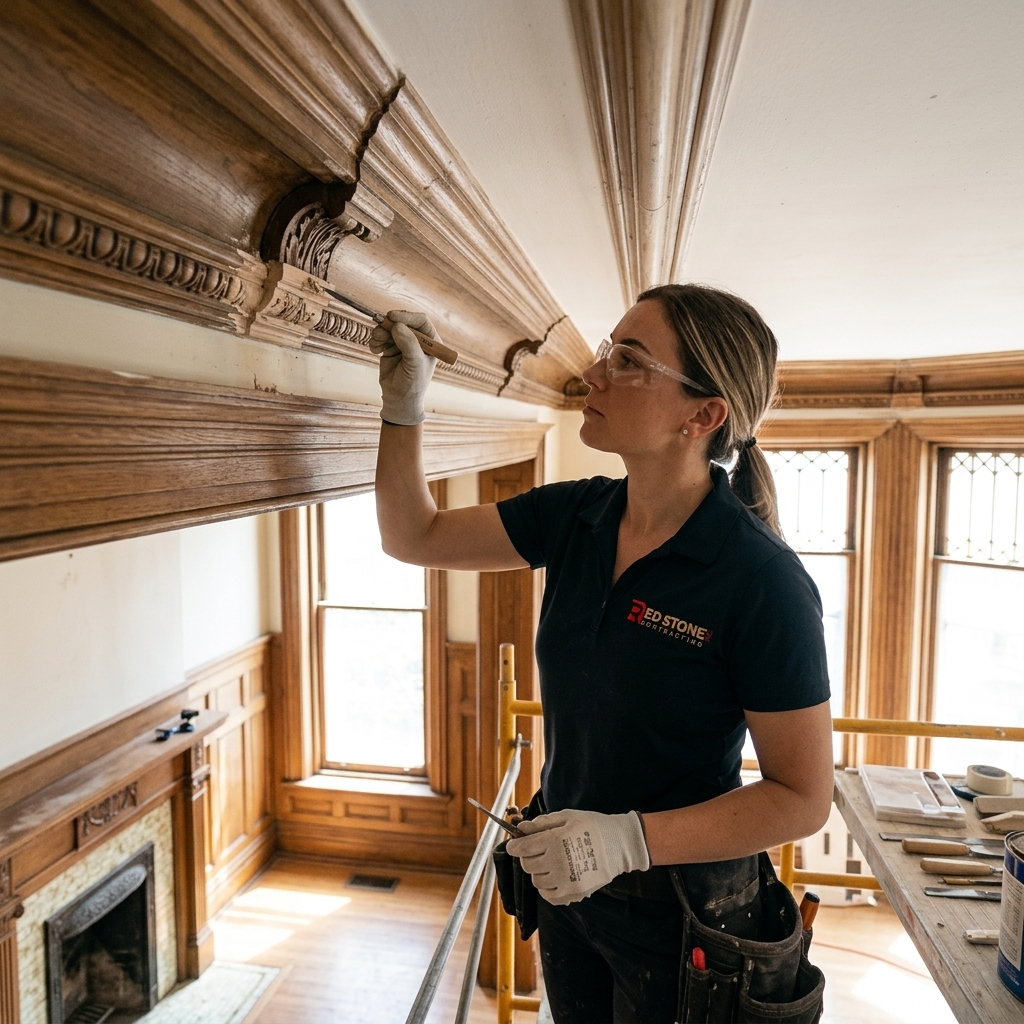
A true elite heritage renovation focuses heavily on restoration. If we must tear down a massive plaster wall to upgrade the electrical grid, we deploy master plaster artisans to meticulously rebuild the intricate, 12-inch high crown molding by hand, matching the exact 1910 profile perfectly. Massive, solid oak pocket doors are carefully extracted, stripped of a century of thick lead paint, completely rebuilt with modern, heavy-duty hidden sliding tracks, and reinstalled to function flawlessly while retaining their antique, massive visual weight. We flawlessly blend the old and the new, ensuring the structural transition is entirely invisible to the naked eye.
| Heritage Element | The Amateur Approach (Destructive) | The Elite Architectural Approach (Preservation) |
|---|---|---|
| Intricate Plaster Crown Molding | Violently smash it with a sledgehammer and replace it with cheap, thin, generic MDF trim from a hardware store. | Take highly precise silicone molds of the original plaster profile and custom-cast perfect replica sections to blend flawlessly. |
| Massive Oak Baseboards | Tear them off, throw them in the dumpster, and install modern, sterile 4-inch flat trim. | Carefully pry them off, chemically strip the toxic lead paint, number them, and meticulously reinstall them. |
| Original Hardwood Floors | Cover the stunning, original tight-grain wood with cheap, floating grey vinyl plank flooring. | Aggressively sand the wood down to the raw grain, execute highly precise spot repairs, and apply a premium matte finish. |
| Leaded Stained Glass Windows | Rip them out and replace them with standard, generic modern vinyl picture windows. | Carefully extract the glass panel, rebuild the failing lead came joints, and encapsulate it behind a modern thermal glass pane. |
The Financial Reality of Century Homes
You must approach a massive heritage home renovation Toronto project with absolute financial realism. This is not a standard suburban cosmetic flip. You are actively fighting 100 years of structural fatigue, hidden toxic materials, and aggressive municipal bureaucracy.
A massive, full-house heritage restoration routinely exceeds $350,000 to $600,000+. You must maintain a massive, unyielding 20% to 25% emergency contingency fund. The moment the contractor opens a plaster wall, they may discover that the entire brick foundation has turned to sand, requiring a massive, highly complex $40,000 structural underpinning operation before the renovation can even proceed. Elite firms like Redstone Contracting mitigate this risk through hyper-aggressive, invasive pre-construction auditing, drastically reducing the “surprises” hidden behind the plaster.
Ultimately, a perfectly executed heritage renovation is the pinnacle of Toronto real estate. By fusing ultra-modern luxury infrastructure with irreplaceable, century-old architectural soul, you create a masterpiece that commands an astronomical premium on the housing market, ensuring your legacy investment is secured for the next 100 years.
| Project Phase | The Critical Financial Variables | Typical 2026 Cost Percentage |
|---|---|---|
| Design & Permitting | High architect fees required to satisfy strict Heritage Conservation District rules. | 8% – 12% of Total Budget |
| Hazardous Abatement | Lethal asbestos and lead extraction requiring Hazmat containment and legal disposal. | 5% – 10% of Total Budget |
| Structural & MEP Rough-In | Total rewiring (K&T removal), repiping, and massive floor joist sistering. | 25% – 35% of Total Budget |
| Architectural Restoration | Custom milling windows, replicating complex plaster crowns, and stripping antique doors. | 15% – 25% of Total Budget |
| Modern Luxury Finishes | Premium kitchen cabinetry, marble countertops, zero-threshold showers, and smart home tech. | 25% – 35% of Total Budget |
Why is it significantly more expensive to execute a massive heritage home renovation Toronto project compared to a modern house?
If my Toronto property is formally Designated under the Heritage Act, can I legally tear down the exterior walls?
What is “Knob-and-Tube” electrical wiring, and why does my insurance company demand it be violently ripped out?
How does a contractor successfully level a heavily sagging, bouncing floor in a 1910 Toronto home?
Is it possible to completely insulate a freezing 1920s double-brick home without destroying the beautiful interior plaster walls?
Why did the contractor completely refuse to install modern, cheap vinyl windows on the front of my historic property?
Schedule Your Historic Architectural Consultation Today
Modernizing a century-old monument without destroying its irreplaceable soul is the most complex architectural surgery in the residential construction industry. Do not entrust your incredibly valuable historic property to a generic suburban flipper with a sledgehammer; you require a master firm fluent in massive structural remediation and elite preservation.
Call us today at (905) 901-1006 or request a comprehensive architectural consultation to begin planning the restoration of your heritage home.
Redstone Contracting has been the trusted elite authority for highly complex, massive structural restorations and luxury heritage renovations across Toronto, Mississauga, and Burlington for decades. From intricate plaster replication to complete, massive structural underpinning, our master craftsmen deliver uncompromising modern luxury while violently protecting historic integrity.