
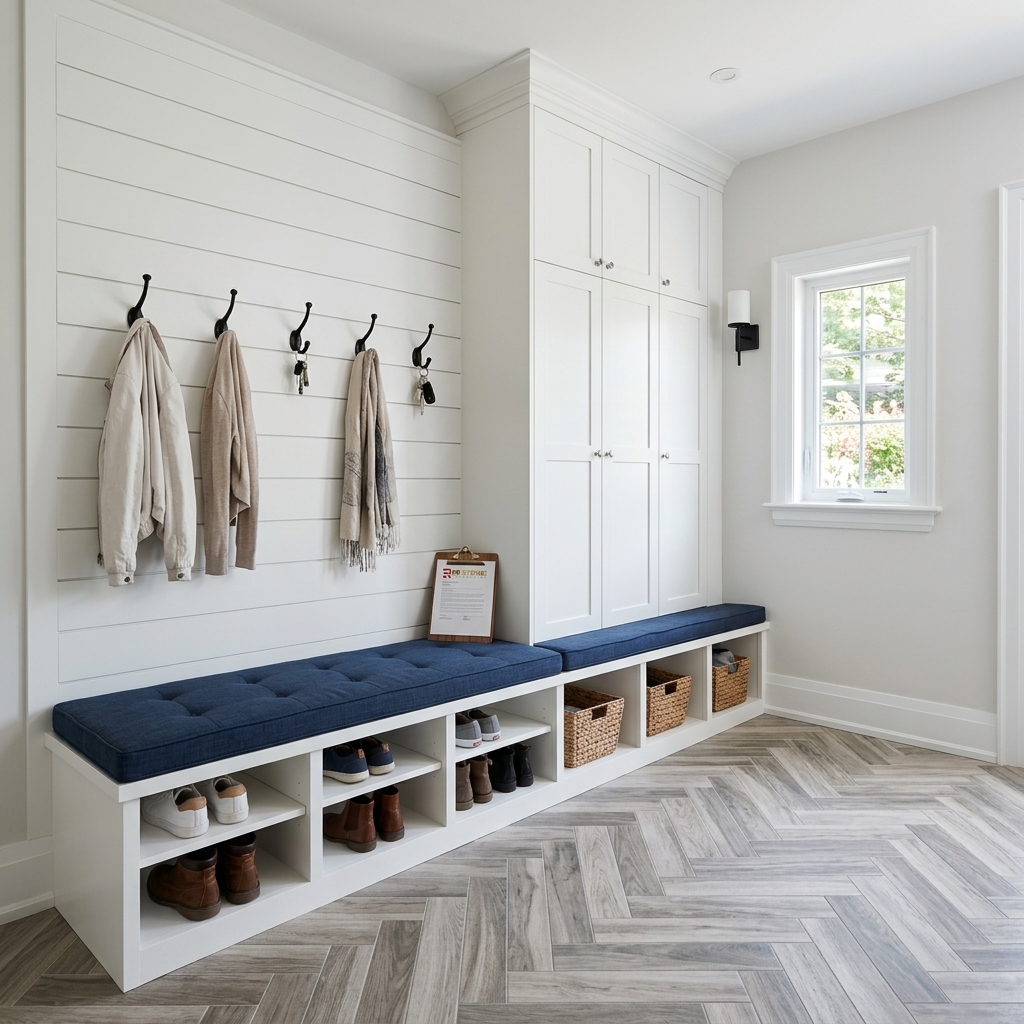
Every Toronto homeowner knows the ritual: you walk through the front door after a long day, kick off wet boots onto the floor, drape a coat over the nearest chair, and drop bags and keys on whatever surface is closest. The entryway becomes a disorganized pile of outerwear, footwear, and accessories — especially during the five months of winter when every family member needs boots, coats, scarves, gloves, and hats every single day. A mudroom renovation toronto project solves this problem permanently by creating a dedicated transition zone between the outdoors and your living spaces, with built-in storage designed to handle the specific demands of Toronto’s climate and your family’s daily routine. This comprehensive 2026 guide covers mudroom layouts, built-in storage ideas, flooring options, costs, and design strategies for Toronto homes of every size.
Why a Mudroom Renovation Toronto Families Need Desperately
A mudroom is not a luxury — in a cold-climate city like Toronto, it is a practical necessity that dramatically improves how your home functions every single day. Without a dedicated mudroom, the mess that accumulates at your home’s entry point spreads throughout the house: wet boots track slush across hardwood floors, coats pile up on dining chairs, and backpacks clutter the kitchen counter because there is simply nowhere else to put them.
The benefits of a properly designed mudroom extend far beyond organization. A mudroom protects your home’s interior finishes from salt, mud, and moisture damage. It provides a designated spot for every family member’s belongings, reducing the morning chaos of searching for misplaced items. It adds usable storage square footage to your home’s footprint. And for resale, a well-designed mudroom is consistently cited by Toronto real estate agents as one of the features buyers find most attractive in family homes, particularly in neighbourhoods where families with school-age children are the primary buyer demographic.
Mudroom Layout Options for Toronto Homes
Not every Toronto home has the luxury of a dedicated mudroom — but virtually every home has space that can be converted into one with thoughtful design and skilled carpentry.
| Mudroom Type | Space Required | Typical Location | Estimated Cost |
|---|---|---|---|
| Dedicated Mudroom (full room) | 40-80 sq ft | Between garage and kitchen, side entry, or back entry | $8,000 – $20,000 |
| Hallway Mudroom (built-in wall unit) | 3-6 ft of wall width | Front hallway, side hall, basement landing | $3,000 – $8,000 |
| Closet Conversion | Existing closet footprint | Front hall closet repurposed with open storage | $2,000 – $5,000 |
| Garage Entry Mudroom | 4-6 ft of garage depth | Interior side of garage-to-house doorway | $5,000 – $12,000 |
| Laundry-Mudroom Combo | 60-100 sq ft | Combined rear entry with washer/dryer and storage | $10,000 – $25,000 |
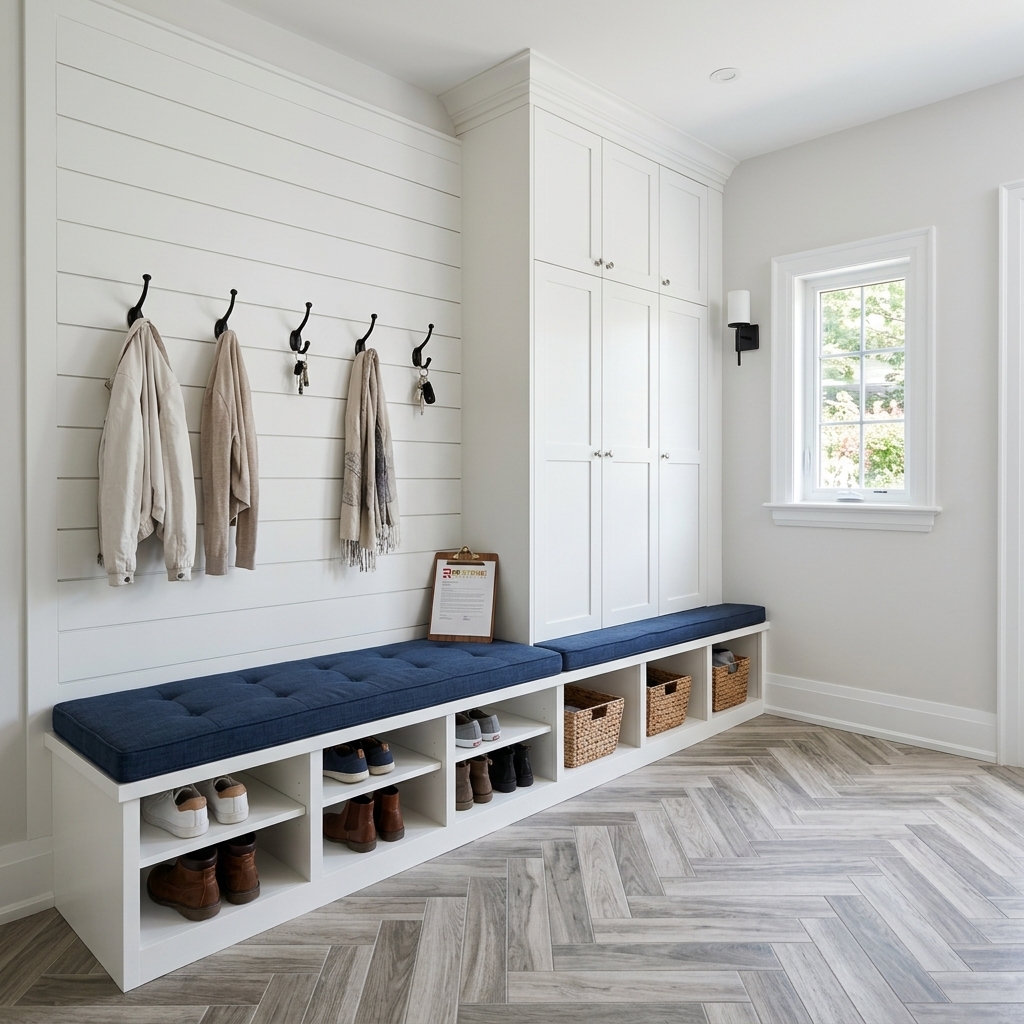
The most popular mudroom configuration in Toronto detached and semi-detached homes is the hallway mudroom — a built-in unit installed along one wall of an existing front or side hallway. This approach requires no structural changes, no building permits, and minimal disruption to the rest of the home. A skilled carpenter can typically complete a hallway mudroom installation in three to five days, including custom cabinetry, bench, hooks, and paint.
For homes with a rear or side entry from a garage or backyard, a dedicated mudroom room offers the most comprehensive solution. This approach may involve converting a portion of an oversized laundry room, enclosing part of a garage, or building a small addition. Dedicated mudrooms allow for features like a utility sink for hand washing and cleaning muddy shoes, a boot dryer mounted to the wall, and a separate ventilation system to manage moisture and odours from wet winter gear.
Built-In Storage Components: What to Include
Hooks and Hanging Storage
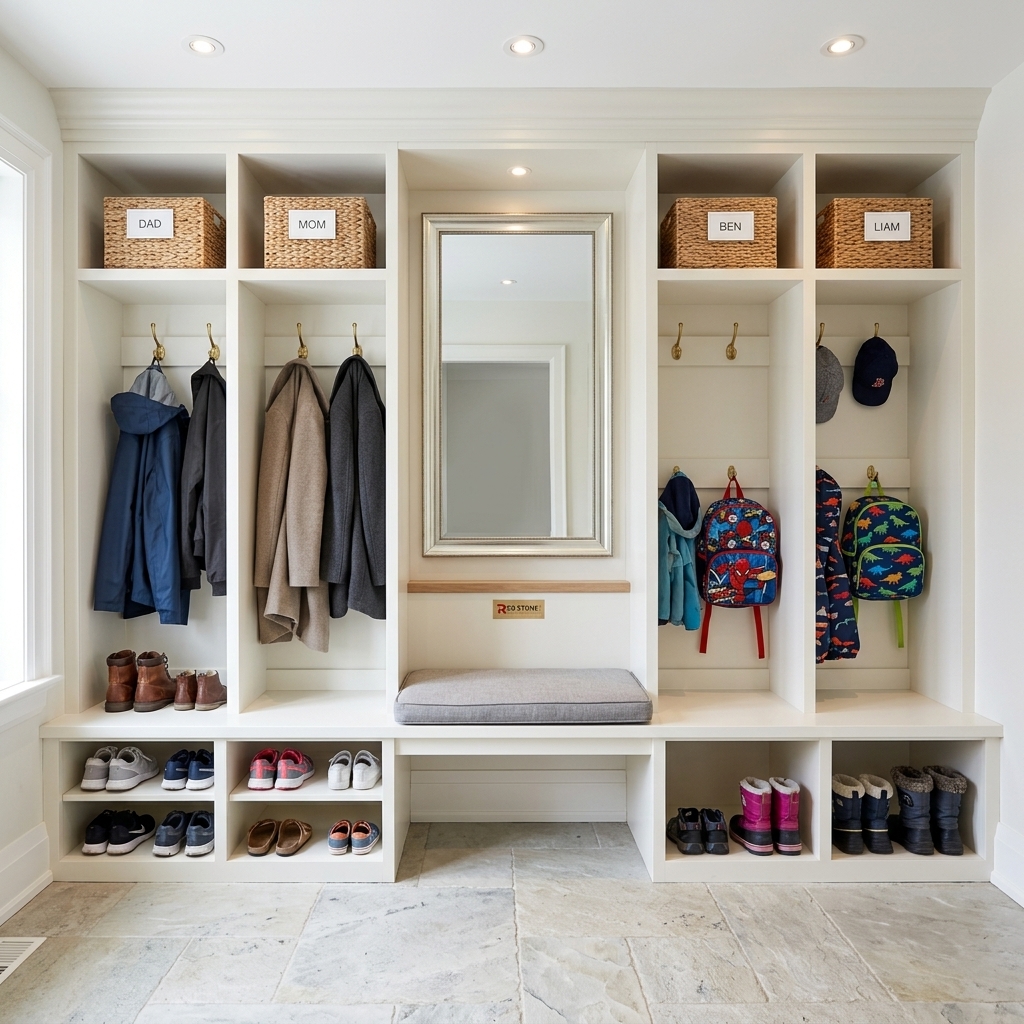
Heavy-duty double hooks mounted at two heights — adult height (approximately 60 inches) and child height (approximately 36 inches) — are the foundation of mudroom functionality. Each family member should have a minimum of two hooks: one for a coat and one for a bag or scarf. Matte black, brushed nickel, and oil-rubbed bronze hooks are the most popular finishes in Toronto mudrooms. Hooks should be mounted directly into studs or onto a backing board (shiplap, beadboard, or painted MDF panel) to support heavy winter coats without pulling out of drywall over time.
Bench Seating with Hidden Storage
A built-in bench serves dual purposes: it provides a comfortable seat for putting on and removing boots, and the space beneath the bench seat provides either open cubbies for daily shoe storage or a lift-up lid concealing a deep storage bin for seasonal items like ski gloves, ice scrapers, and umbrellas. Bench height should be 18 to 20 inches from floor to seat — comfortable for adults and accessible for children. Bench width depends on the available space but should be a minimum of 42 inches for a single-person seating area and 60 to 72 inches for a family bench.
Upper Cabinets and Shelving
Closed upper cabinets above the hook area provide concealed storage for items that do not need daily access — seasonal hats, extra gloves, dog leashes, reusable shopping bags, and sunscreen. Open upper shelving with woven baskets is an alternative that provides easy access while maintaining a tidy appearance. The choice between closed cabinets and open shelving is primarily aesthetic — both work equally well from a functional standpoint.
Shoe Storage Solutions
Shoe storage is the single most important functional element in a Toronto mudroom because wet, salty footwear is the primary source of mess and damage. The best shoe storage solutions include pull-out boot trays with raised edges to contain snowmelt, angled shoe shelves that allow boots to drain and dry, and ventilated wire basket drawers that allow air circulation to prevent moisture buildup and odours. For families with multiple pairs of seasonal footwear, a dedicated shoe tower with adjustable shelving provides the most flexible storage capacity.
Flooring Options for Toronto Mudrooms
Mudroom flooring must withstand the harshest conditions in your home: road salt, snowmelt, mud, sand, and constant foot traffic with heavy winter boots. The flooring material you choose will determine how easy the mudroom is to maintain and how long it lasts before requiring replacement.
| Flooring Material | Durability | Water Resistance | Cost (Installed) | Best For |
|---|---|---|---|---|
| Porcelain Tile | Exceptional | 100% waterproof | $12 – $25/sq ft | The gold standard for mudrooms — nearly indestructible, easy to clean, handles salt without damage |
| Luxury Vinyl Plank (LVP) | Very Good | 100% waterproof | $6 – $14/sq ft | Excellent budget-friendly option, warm underfoot, wide style selection |
| Slate or Natural Stone | Exceptional | Excellent (with sealing) | $18 – $35/sq ft | Premium rustic aesthetic, extremely durable, requires annual sealing |
| Epoxy-Coated Concrete | Excellent | 100% waterproof | $8 – $15/sq ft | Modern industrial look, seamless surface, easy to clean, ideal for garage-entry mudrooms |
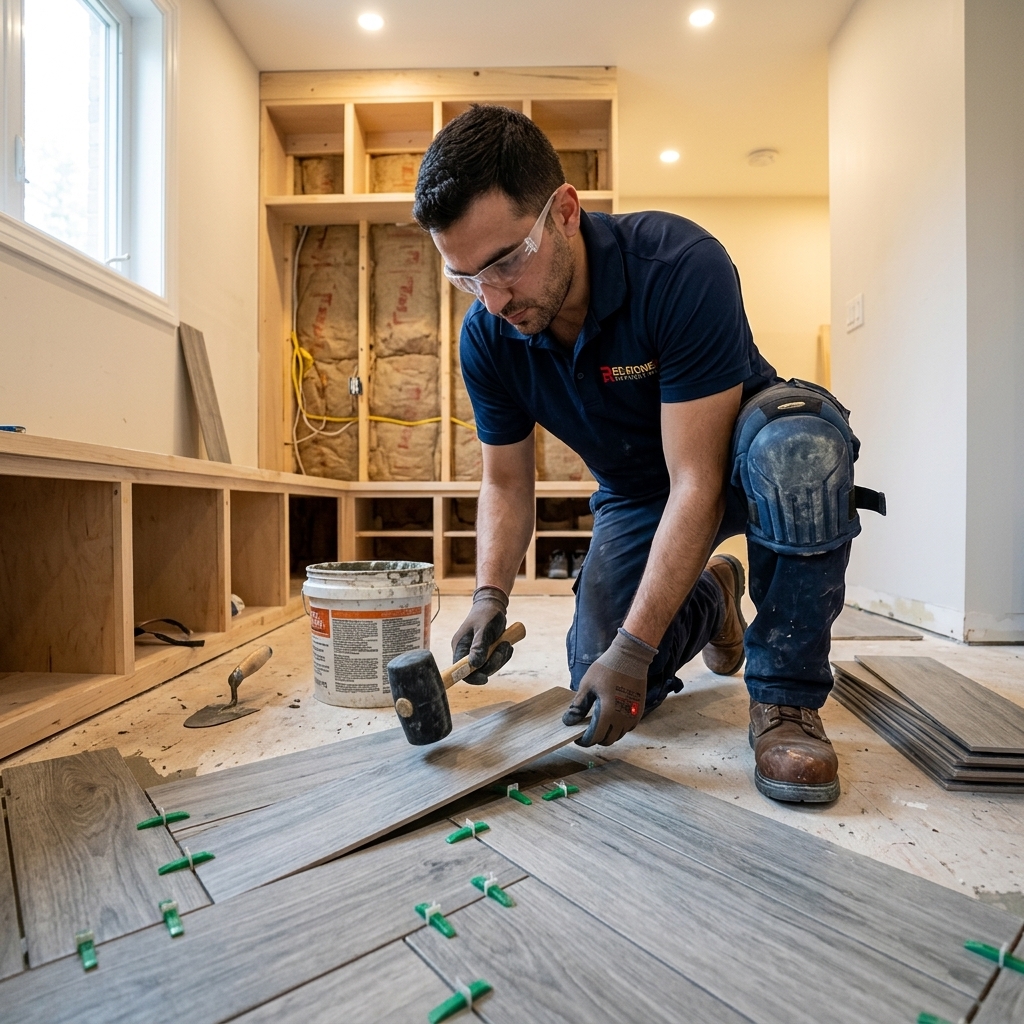
For most Toronto mudrooms, porcelain tile in a herringbone, basketweave, or large-format pattern is the preferred choice. Porcelain tile is completely waterproof, unaffected by road salt, scratch-resistant, and available in an enormous range of styles including realistic wood-look, stone-look, and geometric patterns. Combined with in-floor radiant heat — which costs approximately $10 to $15 per square foot to install during construction — a porcelain tile mudroom floor provides the ultimate combination of durability, comfort, and luxury. The radiant heat dries wet boots and shoes naturally, reduces moisture buildup in the mudroom, and makes the space warm and comfortable even on the coldest January mornings.
Seasonal Considerations for Toronto Mudrooms
Toronto’s climate creates unique demands that your mudroom must address year-round. During the winter months from November through March, the primary challenge is managing heavy outerwear, wet boots covered in road salt, and accessories like scarves, toques, and gloves for every family member. Your mudroom needs sufficient hook capacity for heavy winter coats (which take up significantly more space than spring jackets), boot trays with raised edges to contain snowmelt, and adequate ventilation to dry out damp gear before it develops mildew or musty odours.
During the shoulder seasons of spring and fall, the mudroom transitions to handling rain gear, umbrellas, lighter jackets, and muddy shoes from spring gardening and fall yard work. In summer, the mudroom stores sports equipment, hiking gear, sunscreen, bug spray, and beach towels. A well-designed mudroom accommodates these seasonal transitions with adjustable shelving, removable hooks at different heights, and flexible basket storage that can be reconfigured as needs change throughout the year. Consider installing a small ceiling-mounted drying rack or retractable clothesline in the mudroom for air-drying wet items without cluttering the main laundry area or bathroom — a practical feature that Toronto families consistently identify as one of their favourite additions after completion.
Lighting and Ventilation for Mudroom Comfort
Proper lighting transforms a mudroom from a dark, utilitarian pass-through into an inviting transition space. Recessed pot lights provide even overhead illumination, while LED strip lighting under upper cabinets or above the bench highlights the storage areas where you need visibility most. A dimmer switch allows you to keep the mudroom softly lit as a nightlight for late-night arrivals without flooding the adjacent rooms with harsh light. For mudrooms with exterior walls, a window — even a small one — provides natural light during the day and ventilation to manage moisture levels.
Ventilation is particularly important in Toronto mudrooms because wet winter gear generates significant moisture that can lead to mould growth if not properly managed. An exhaust fan rated at 50 to 80 CFM (cubic feet per minute) keeps air circulating and prevents humidity buildup. If your mudroom is adjacent to a bathroom or laundry room, the ventilation system can often be shared, reducing installation costs.
Design Details That Elevate a Mudroom
- Shiplap or beadboard accent wall: Adds texture and character while providing a durable surface for hook mounting. Cost: $800 to $2,000 installed.
- Wainscoting (lower half of wall): Protects walls from scuff marks and provides a finished, polished look. Pairs well with a contrasting paint colour above. Cost: $600 to $1,500.
- Integrated pet station: A built-in pet feeding area with a pull-out drawer for food and water bowls, a leash hook, and a towel bar for wiping muddy paws. Cost: $500 to $1,200.
- Charging station: A concealed outlet inside a cabinet or behind a panel for charging phones, tablets, and wireless earbuds while coats hang and boots dry. Cost: $200 to $500.
- Mirror: A framed mirror above the bench provides a final check before heading out the door and makes the mudroom feel larger and brighter.
How much does a mudroom renovation cost in Toronto?
What is the best flooring for a Toronto mudroom?
Can I add a mudroom to my Toronto home without a full renovation?
Should a mudroom have heated floors?
Do I need a building permit for a mudroom renovation?
Build Your Dream Mudroom with Red Stone Contracting
A well-designed mudroom transforms the most chaotic space in your home into the most organized one. Our team designs custom mudroom solutions tailored to your family size, storage needs, and design aesthetic — from simple hallway built-ins to full dedicated rooms with heated tile floors and custom cabinetry. Every project includes professional design consultation, premium materials, and the detailed craftsmanship that defines a Red Stone renovation.
Call us today at (905) 901-1006 or book your free consultation online to start designing the mudroom your family needs.
Red Stone Contracting delivers custom mudroom and storage solutions across Toronto, Oakville, Burlington, and Mississauga. We build the hardest-working rooms in your home — organized, durable, and designed for real Canadian winters.