
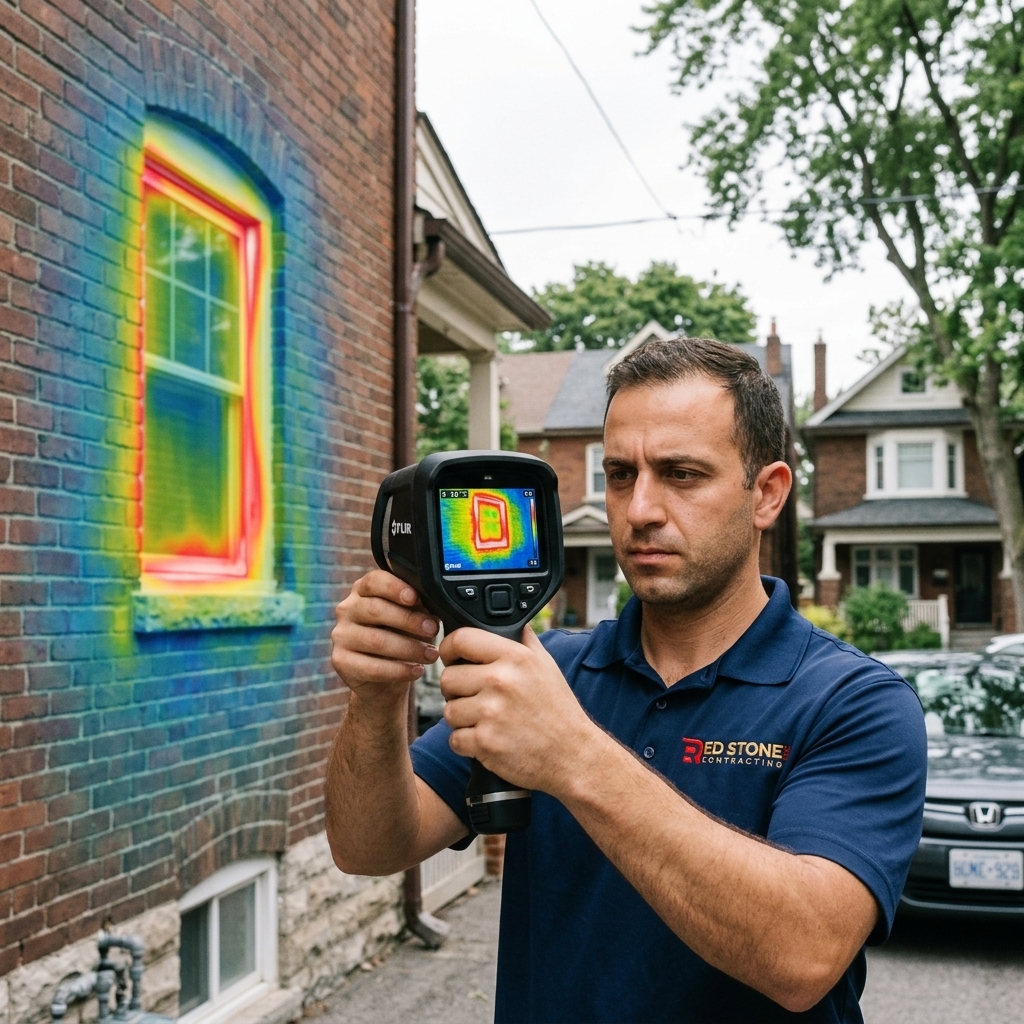
Toronto homeowners are spending more on heating and cooling than ever before — and much of that energy is escaping through under-insulated walls, single-pane windows, and aging HVAC systems that were never designed for modern efficiency standards. An energy efficient home retrofit toronto project addresses these invisible performance gaps by upgrading the building envelope, replacing outdated mechanical systems, and dramatically reducing monthly utility costs. This comprehensive 2026 guide covers the three pillars of energy retrofitting — insulation, windows, and heat pumps — with realistic costs, government incentive programs, and a clear roadmap for Toronto homeowners ready to make their homes more comfortable, more affordable to operate, and more valuable on the resale market.
Why an Energy Efficient Home Retrofit Toronto Homeowners Need Starts with an Energy Audit
Before investing in any retrofit upgrades, the first step is understanding where your home is actually losing energy. A professional energy audit — also called an EnerGuide evaluation — uses diagnostic tools including a blower door test (which pressurizes the home to measure air leakage) and thermal imaging cameras to identify the specific areas where heat is escaping and cold air is infiltrating.
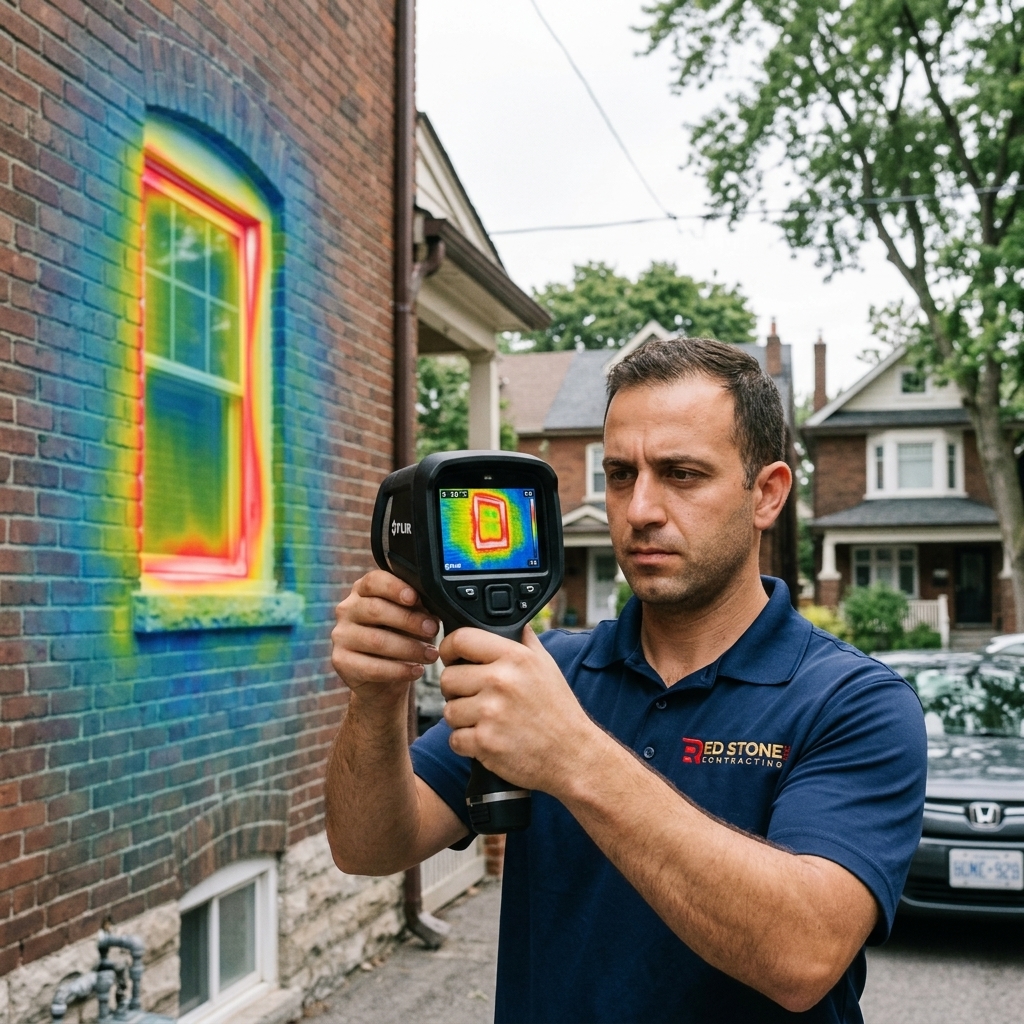
Certified energy advisors from Natural Resources Canada’s network conduct these evaluations for approximately $300 to $600. The resulting EnerGuide report assigns your home an energy efficiency rating on a scale of 0 to 100 and provides a prioritized list of recommended upgrades with estimated energy savings for each. This report is also required to qualify for the Canada Greener Homes Grant program, which can reimburse up to $5,000 of your retrofit costs.
Common findings during Toronto energy audits include significant air leakage around windows and doors, inadequate attic insulation (many older homes have only R-12 to R-20 when current code requires R-60), missing or deteriorated vapour barriers, and uninsulated basement walls that account for 20 to 25 percent of total heat loss in a typical home.
Insulation Upgrades: The Foundation of Every Retrofit
Insulation is the single most cost-effective energy upgrade available to Toronto homeowners. Properly insulating your home’s building envelope — the thermal barrier separating conditioned interior space from the exterior environment — reduces heat loss in winter, keeps the home cooler in summer, and dramatically decreases the workload on your heating and cooling systems.
| Insulation Location | Recommended R-Value | Common Methods | Estimated Cost |
|---|---|---|---|
| Attic | R-50 to R-60 | Blown-in cellulose or fibreglass over existing insulation | $1,500 – $3,500 |
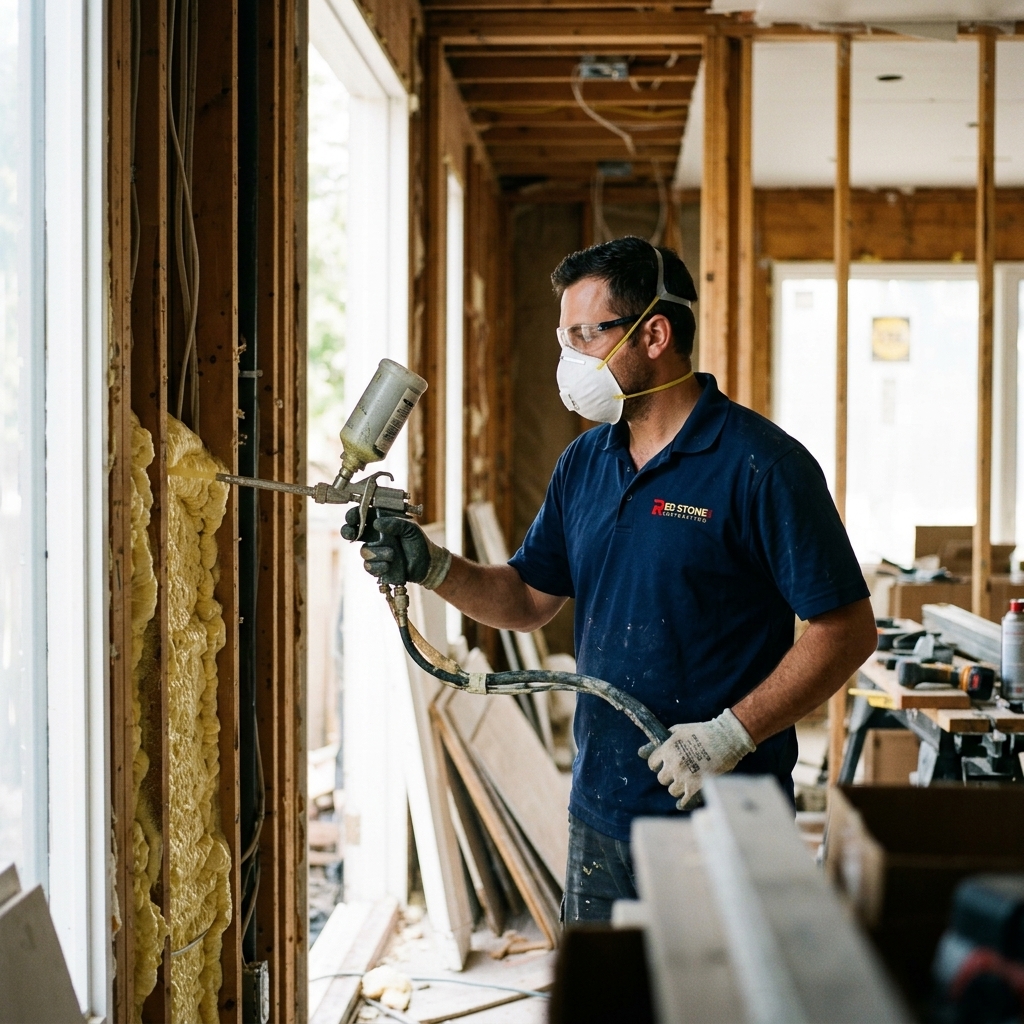
| Exterior Walls (from inside during reno) | R-22 to R-28 | Closed-cell spray foam (R-6 per inch) or dense-pack cellulose | $3,000 – $8,000 |
| Basement Walls | R-20 to R-24 | Rigid XPS foam board + framing + batt insulation | $3,000 – $6,000 |
| Rim Joists / Band Joists | R-20+ | Closed-cell spray foam — the most critical air-sealing location in most homes | $800 – $2,000 |
| Crawl Space | R-20 | Rigid foam on walls + sealed vapour barrier on floor | $2,000 – $4,000 |
Spray Foam vs. Blown-In Cellulose vs. Fibreglass Batt
Closed-cell spray foam provides the highest R-value per inch (R-6 to R-7) and simultaneously acts as an air barrier and vapour retarder. It is the premium choice for exterior walls, rim joists, and any area where both thermal resistance and air sealing are critical. The primary drawback is cost — spray foam typically costs two to three times more than alternatives per square foot.
Blown-in cellulose is made from recycled newspaper treated with fire retardant. It provides excellent thermal performance (R-3.5 to R-3.7 per inch), fills irregular cavities completely, and is significantly less expensive than spray foam. It is the most cost-effective choice for attic top-ups and dense-pack wall cavity fills.
Fibreglass batt insulation remains the most affordable option (R-3.1 to R-3.3 per inch) and works well in standard framing cavities where it can be installed without compression. However, batt insulation does not air-seal and performs poorly when it does not fill the cavity completely or when it is compressed around wiring and plumbing.
For a comprehensive insulation upgrade covering the attic, basement walls, rim joists, and accessible exterior wall cavities, Toronto homeowners should budget approximately $8,000 to $18,000 depending on the size of the home, the insulation types selected, and the accessibility of the areas being insulated. This investment typically reduces annual heating costs by 20 to 35 percent and pays for itself within 5 to 8 years through energy savings alone.
Air Sealing: The Critical Complement to Insulation
Insulation alone is not enough — air sealing must be performed simultaneously to achieve optimal results. Air leakage through gaps, cracks, and penetrations in the building envelope can account for 25 to 40 percent of a home’s total heat loss, even in well-insulated homes. Critical air-sealing locations include the sill plate where the foundation meets the framing, electrical and plumbing penetrations through exterior walls, recessed light fixtures in insulated ceilings, attic hatches and knee-wall doors, and the junction between chimneys and the surrounding framing.
Professional air sealing during a renovation uses a combination of spray foam, acoustical caulk, rigid foam board, and weatherstripping to create a continuous air barrier around the entire building envelope. When combined with proper insulation, air sealing typically reduces overall energy consumption by an additional 10 to 15 percent beyond what insulation alone achieves. The cost of comprehensive air sealing during a renovation — when walls, attics, and basements are already accessible — ranges from $1,500 to $4,000 and represents one of the highest-return energy investments available.
Window Replacement: Performance, Comfort, and Curb Appeal
Windows are the weakest thermal link in virtually every Toronto home’s building envelope. Single-pane windows — still found in many pre-1970s homes — have an R-value of approximately R-1, meaning they provide almost no insulation. Even standard double-pane windows installed in the 1990s and 2000s (R-2 to R-3) perform poorly compared to modern high-performance windows.
| Window Type | Approximate R-Value | Cost Per Window (Installed) | Best For |
|---|---|---|---|
| Single Pane (existing) | R-1 | N/A (replacement needed) | Nothing — these should be replaced immediately |
| Standard Double Pane | R-2 to R-3 | $500 – $800 | Budget-conscious upgrades, rental properties |
| Double Pane with Low-E + Argon | R-3.5 to R-4 | $700 – $1,200 | Best value for most Toronto homes |
| Triple Pane with Low-E + Argon | R-5 to R-7 | $1,000 – $1,800 | Premium retrofit, maximum comfort and noise reduction |
| Triple Pane with Krypton Gas | R-7 to R-9 | $1,400 – $2,500 | Ultra-premium, Passive House standard |
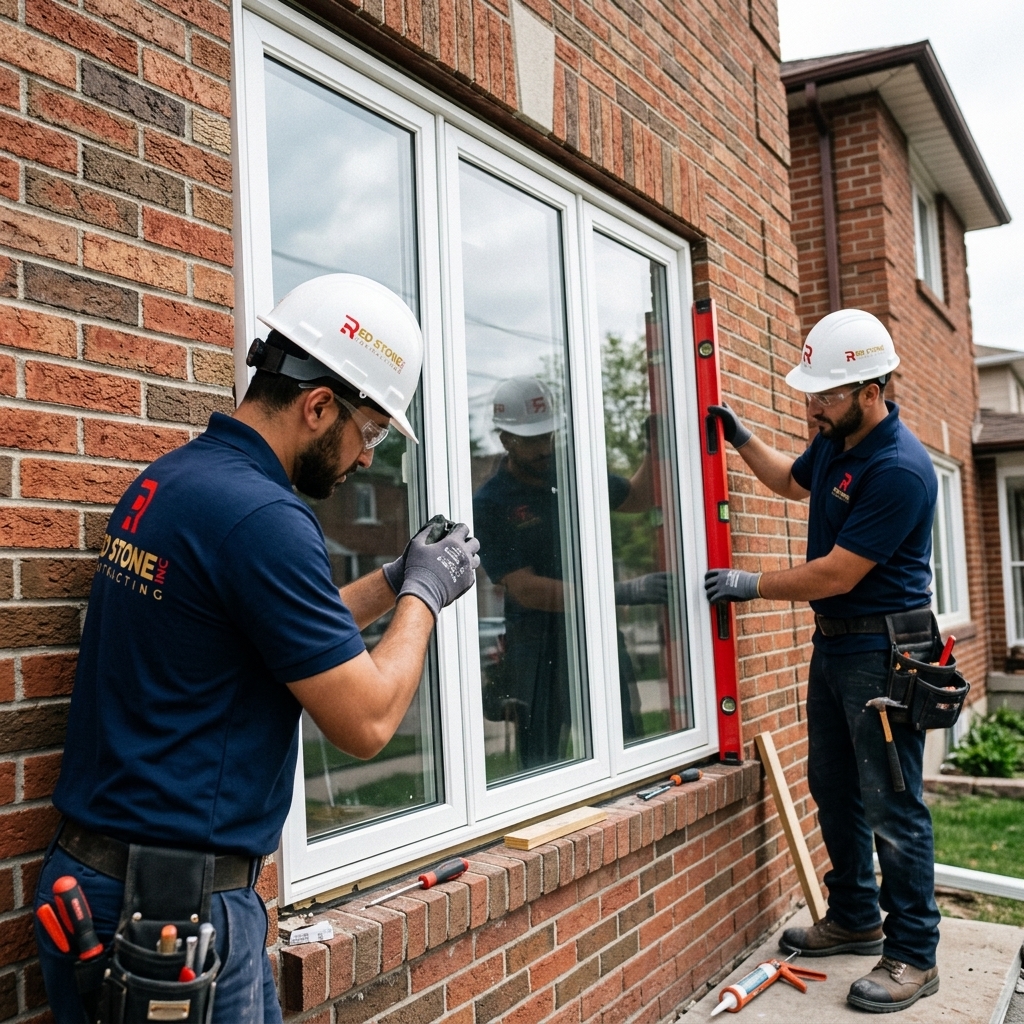
For a typical three-bedroom Toronto home with 15 to 20 windows, a full window replacement with double-pane Low-E argon windows costs approximately $12,000 to $22,000 installed. Upgrading to triple-pane raises the total to $18,000 to $35,000 but provides noticeably superior comfort — rooms adjacent to windows feel warmer in winter, condensation is virtually eliminated, and exterior noise reduction is dramatic (particularly valuable for homes on busy Toronto streets).
During a broader home renovation, window replacement can be coordinated with wall insulation upgrades. When walls are opened for insulation, the rough window openings can be properly air-sealed with spray foam, new flashing can be installed, and the connection between the window frame and the insulated wall assembly can be optimized for maximum performance. This integrated approach is significantly more effective than replacing windows in isolation.
Heat Pumps: The Future of Home Heating and Cooling
Cold-climate heat pumps have transformed the heating landscape for Toronto homeowners. Modern heat pumps extract heat from outdoor air — even at temperatures as low as -25 degrees Celsius — and deliver it indoors at efficiencies of 250 to 400 percent. This means for every dollar of electricity consumed, a heat pump delivers $2.50 to $4.00 worth of heating — a dramatic improvement over gas furnaces (95 percent efficiency) and electric baseboard heaters (100 percent efficiency).
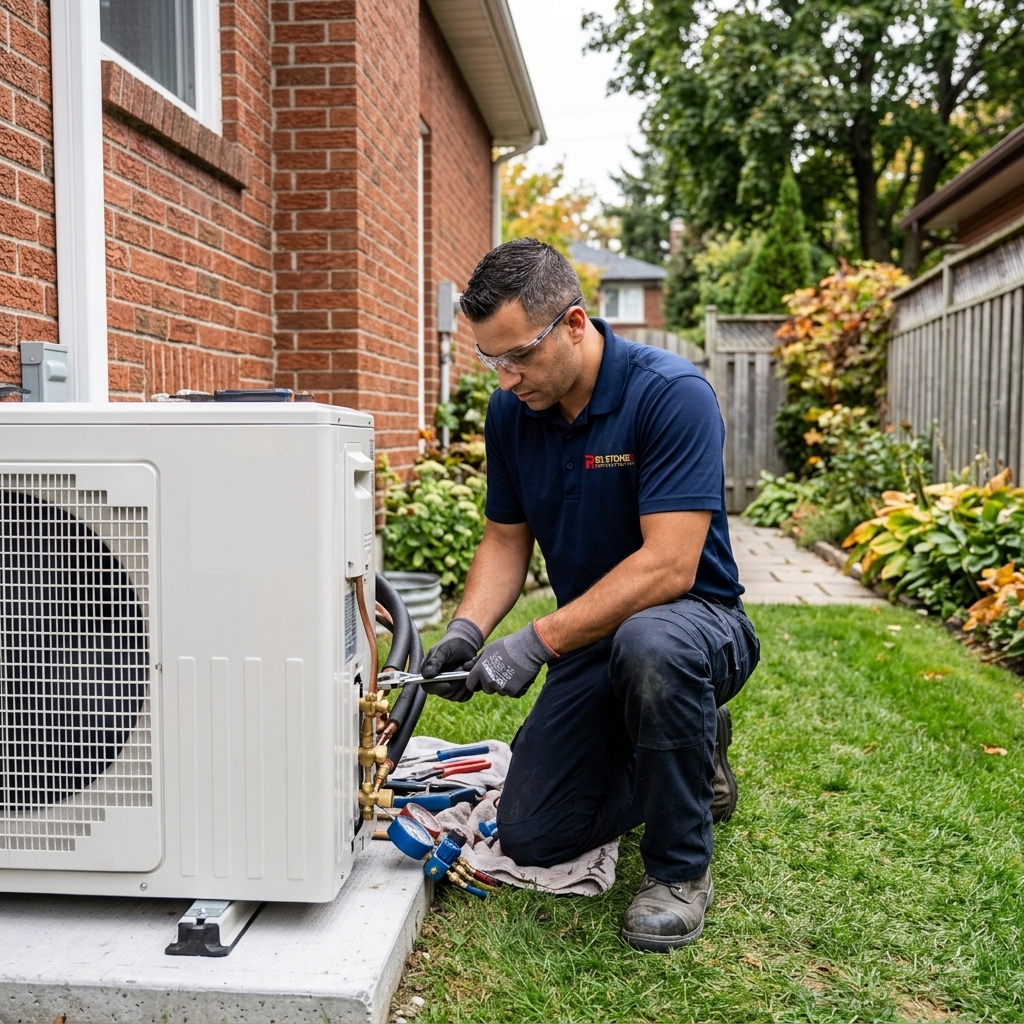
| Heat Pump System Type | Heating Capacity | Installed Cost | Best For |
|---|---|---|---|
| Ductless Mini-Split (single zone) | 9,000 – 24,000 BTU | $4,000 – $7,000 | Supplementing a single room or zone, additions, converted garages |
| Ductless Multi-Split (2-4 zones) | 24,000 – 48,000 BTU | $10,000 – $18,000 | Homes without ductwork, zoned comfort for multiple rooms |
| Central Ducted Heat Pump | 36,000 – 60,000 BTU | $12,000 – $22,000 | Homes with existing ductwork, whole-home replacement for furnace + AC |
| Hybrid System (heat pump + gas furnace backup) | Variable | $14,000 – $25,000 | Maximum efficiency with gas backup for extreme cold snaps below -20C |
The Canada Greener Homes Grant provides up to $5,000 for heat pump installations, and the Enbridge Home Efficiency Rebate offers an additional $5,000 for qualifying systems. Combined with provincial and municipal incentives, Toronto homeowners can offset 30 to 50 percent of the installed cost through grants and rebates — making the economics of heat pump conversion increasingly compelling.
For Toronto homeowners with existing natural gas furnaces, a hybrid heating system offers the optimal balance of efficiency and reliability. The heat pump serves as the primary heating source for temperatures above approximately -15 degrees Celsius — which covers the vast majority of Toronto’s winter — while the gas furnace automatically engages during extreme cold snaps to provide supplemental heating capacity. This dual-fuel approach captures 80 to 90 percent of the heat pump’s energy savings while maintaining the peace of mind that comes with a proven backup heating source. Many homeowners report annual heating cost reductions of 30 to 40 percent after switching from a furnace-only system to a hybrid configuration, with the heat pump also providing highly efficient air conditioning during Toronto’s increasingly warm summers.
Government Incentive Programs for Toronto Homeowners
- Canada Greener Homes Grant: Up to $5,000 for insulation, windows, heat pumps, and other eligible retrofits. Requires a pre-retrofit and post-retrofit EnerGuide evaluation.
- Canada Greener Homes Loan: Interest-free loans up to $40,000 with a 10-year repayment term for eligible deep retrofits.
- Enbridge Home Efficiency Rebate: Up to $5,000 for insulation and air sealing upgrades in homes heated by natural gas. Can be stacked with the federal grant.
- Ontario Electricity Support Program (OESP): Provides ongoing bill credits for lower-income households switching to electric heating.
A well-planned retrofit that combines insulation upgrades, window replacement, and a heat pump installation can reduce total annual energy costs by 40 to 60 percent while significantly improving indoor comfort and air quality. For a typical three-bedroom Toronto detached home, the combined investment ranges from $30,000 to $60,000 before incentives, with $8,000 to $15,000 recoverable through grant programs.
How much does an energy-efficient home retrofit cost in Toronto?
What government rebates are available for home retrofits in Ontario?
Do heat pumps work in Toronto winters?
Should I upgrade insulation or replace windows first?
How much can I save on energy bills after a retrofit?
Can energy retrofits be done during a renovation?
Start Your Energy Retrofit with Red Stone Contracting
An energy-efficient home is not just about saving money — it is about living more comfortably in every season, reducing your environmental footprint, and increasing the long-term value of your most important asset. Our team integrates energy retrofit strategies into every renovation we undertake, ensuring that the work behind your walls performs as beautifully as the finishes you see every day.
Call us today at (905) 901-1006 or schedule your consultation online to discuss your energy retrofit goals and learn which government incentives apply to your project.
Red Stone Contracting delivers energy-smart renovations across Toronto, Oakville, Burlington, and Mississauga. We build homes that perform as beautifully as they look — saving you money every month for decades to come.