
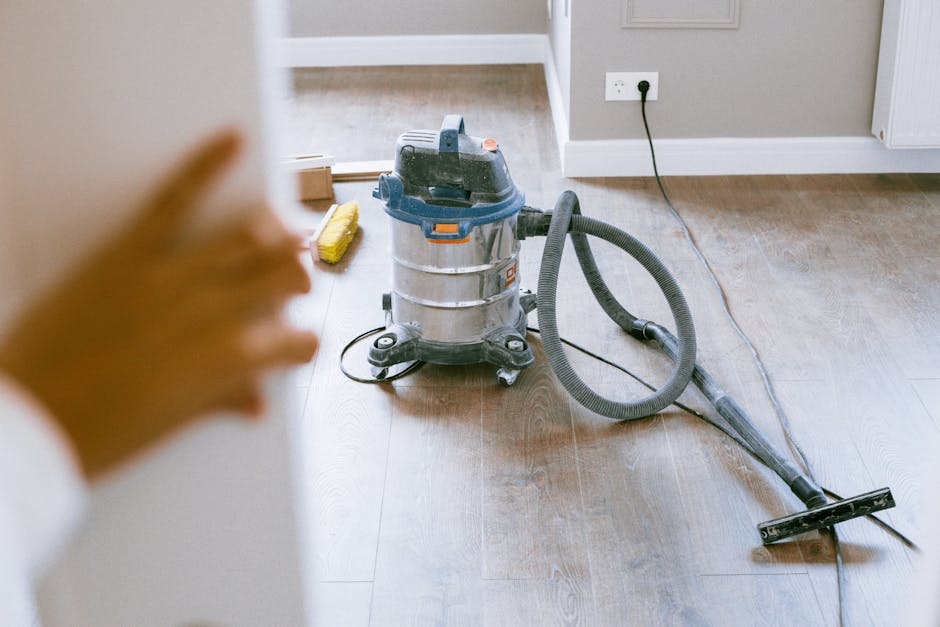
Imagine this: you’ve just moved into your dream home in Pleasant View, excited to turn it into a cozy haven that reflects your personal style. You’ve got grand plans for an open-concept kitchen, a serene backyard oasis, and perhaps even a unique extension for that home office you’ve always wanted. But as you dive into Pinterest boards and DIY videos, a nagging question creeps in—what do I really need to know about local regulations before I start swinging a hammer?
This scenario is more common than you might think. Many homeowners in Pleasant View find themselves caught up in the excitement of renovation, only to be sidetracked by unexpected legal hurdles. Did you know that nearly 30% of local renovation projects face delays due to misunderstanding zoning laws or failing to obtain necessary permits? This can not only halt your progress but also lead to costly fines and even the need to undo completed work.
Understanding local regulations isn’t just a bureaucratic hurdle; it’s a vital step in ensuring that your dream renovation becomes a reality without the headaches. Pleasant View, with its unique blend of charming historic homes and modern developments, has its own set of guidelines and regulations that can impact your project significantly.
In this comprehensive guide, we’ll explore the essential local regulations for home renovation projects in Pleasant View, helping you navigate the often-confusing landscape of permits, zoning laws, and more. By equipping yourself with this knowledge, you’ll not only save time and money but also ensure that your renovation journey is as smooth and enjoyable as possible. Let’s get started on turning your vision into a reality—without any unwelcome surprises!
What Challenges Do Homeowners Face When Navigating Renovation Regulations in Pleasant View?
When embarking on a home renovation project in Pleasant View, homeowners often encounter a myriad of challenges that can complicate their plans. One of the most pressing issues is the local building codes and zoning regulations that must be adhered to. These regulations can vary significantly by neighborhood, impacting everything from the type of materials used to the height of structures. For instance, a homeowner looking to add a second story may find that their property is in a zone that restricts such modifications, leading to unexpected delays and additional costs.
Seasonal challenges also play a crucial role in renovation projects. Pleasant View experiences varying weather conditions throughout the year, which can affect construction timelines. For example, heavy rains in the spring can halt outdoor work, pushing back schedules and increasing labor costs. Additionally, many homeowners underestimate the financial implications of neglecting to secure the necessary permits. Failing to comply with local regulations can result in hefty fines, and even worse, the potential need to undo completed work.
Safety concerns are another critical factor. Older homes, common in Pleasant View, may have hidden issues like outdated wiring or structural weaknesses that need addressing before any renovation can begin. Understanding these challenges is essential for homeowners, as it not only ensures compliance with regulations but also safeguards their investment in their property. For those seeking assistance, exploring renovation services near Pleasant View can provide valuable guidance and support throughout the process.
Understanding the local regulations for home renovation projects in Pleasant View involves navigating a complex landscape of laws and guidelines that can significantly influence both the process and the outcome of your project. Adhering to these regulations not only ensures compliance but also enhances the safety, value, and longevity of your home renovations.
One immediate advantage of familiarizing yourself with local regulations is the prevention of costly fines and delays. For instance, obtaining the necessary permits before starting construction can save homeowners from legal headaches later. Engaging with the local building department early in the planning phase can clarify which permits are required for various types of renovations, such as additions, structural changes, or major electrical work. This proactive approach helps to streamline the renovation process and keeps timelines on track.
In terms of materials and techniques, professionals often recommend using sustainable and energy-efficient options that not only comply with local regulations but also benefit homeowners in the long run. For example, when upgrading insulation, opting for materials that meet or exceed local energy codes can lead to significant savings on utility bills while enhancing comfort. Similarly, selecting eco-friendly building materials may qualify for tax incentives or rebates, offering both environmental benefits and financial relief.
Long-term solutions also involve understanding zoning laws, which dictate what can be built and where. This is particularly crucial in areas with strict aesthetic or historical preservation regulations. By consulting with a local architect or planner who understands these nuances, homeowners can ensure that their renovations enhance rather than detract from the neighborhood’s character. This strategic alignment with zoning laws not only preserves property values but can also qualify a renovation for future resale benefits.
Moreover, engaging licensed contractors who are well-versed in local codes can provide invaluable insight. These professionals not only ensure that renovations meet safety standards but also help navigate the complicated permitting process. They often have established relationships with local officials, which can expedite approvals and inspections.
Preventive measures such as thorough planning and consultation with experts can mitigate potential issues before they arise. By investing time in understanding local regulations and working with knowledgeable professionals, homeowners in Pleasant View can create spaces that are not only beautiful and functional but also compliant and sustainable. This comprehensive approach fosters not just immediate satisfaction but also long-term peace of mind as homeowners enjoy their renovated spaces for years to come.
Understanding Local Regulations for Home Renovation Projects in Pleasant View: A Comprehensive Guide
When it comes to home renovation projects in Pleasant View, understanding the local regulations is crucial for homeowners and contractors alike. This charming community, known for its picturesque landscapes and tight-knit neighborhoods, has specific guidelines that can significantly impact renovation timelines and costs. Here’s what you need to know about navigating the regulatory landscape in Pleasant View.
What Locals Know: One of the first pieces of advice from residents who have taken on renovation projects is to familiarize yourself with the zoning laws and building codes specific to Pleasant View. For instance, many homeowners are surprised to learn that certain areas have restrictions on building heights, especially in neighborhoods close to parks or scenic vistas. This is designed to maintain the aesthetic charm of the area and ensure that new structures blend harmoniously with the existing environment.
Seasonal Considerations: Pleasant View experiences a distinct four-season climate, which can affect renovation schedules. Homeowners planning exterior renovations should be aware of the local weather patterns. For example, the heavy snowfall in winter can delay roofing projects, while spring rains might impact outdoor landscaping. It’s advisable to plan major renovations during the more temperate months of late spring and early fall when conditions are more favorable.
Comparative Insights: Compared to neighboring areas like Maple Grove and Cedar Hill, Pleasant View has stricter regulations regarding historical homes. If your property is classified as historic, you may need to adhere to additional standards that govern changes to the exterior appearance of the home. This can include requirements for materials, colors, and even the types of renovations allowed. Understanding these distinctions can save time and potential legal issues down the line.
Local Geography and Climate: The unique geographical layout of Pleasant View, with its rolling hills and proximity to water bodies, also influences renovation projects. For instance, homeowners looking to build basements must consider the water table levels, which can vary significantly across different parts of the community. Additionally, the lush foliage in the area can impact landscaping decisions, requiring careful planning to avoid damaging the local ecosystem.
Discussion of Local Regulations: Finally, it is essential to be aware of the permit process in Pleasant View. Most renovation projects—especially those that involve structural changes—require a permit from the local building department. This process can sometimes be lengthy, as officials meticulously review plans to ensure compliance with safety codes. Engaging with renovation services near Pleasant View that are familiar with these regulations can streamline your project and help you avoid common pitfalls.
In summary, while embarking on a home renovation project in Pleasant View can be exciting, it also requires a thorough understanding of local regulations and conditions. By leveraging local knowledge and consulting with experienced professionals, homeowners can navigate the complexities of renovation successfully, ensuring that their projects are not only compliant but also enhance the beauty and value of their homes.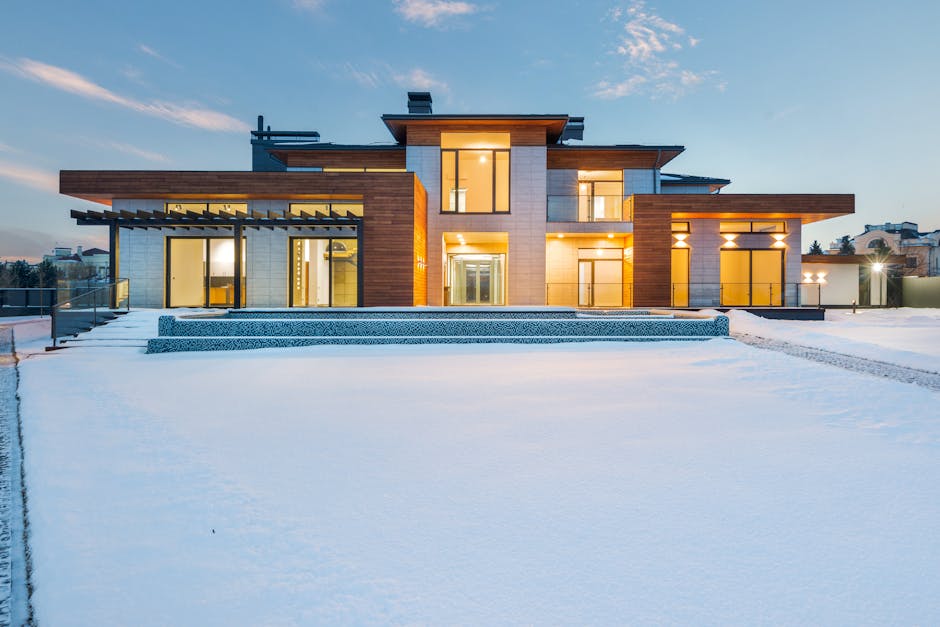
Practical Advice for Understanding Local Regulations for Home Renovation Projects in Pleasant View
Seasonal Maintenance Calendar
- Spring: Check zoning restrictions before beginning outdoor projects.
- Summer: Ensure permits are up-to-date for any ongoing renovations.
- Fall: Schedule inspections for completed projects to avoid winter delays.
- Winter: Review local regulations for snow-related structural safety.
Do This, Not That Guidance
- Do: Consult with local planning departments about renovation permits.
- Not: Assume that all renovations fall under the same regulations.
Early Warning Signs to Watch For
- Noticing changes or inconsistencies in neighborhood construction.
- Receiving complaints from neighbors about noise or debris.
Common DIY Mistakes to Avoid
- Neglecting to check if a permit is required for your project.
- Overlooking local building codes that may affect design.
Questions to Ask When Hiring Professionals
- Are you familiar with Pleasant View’s local regulations?
- Can you provide references from local projects?
A Homeowner’s Checklist
- Review local zoning laws applicable to your property.
- Gather necessary documentation and permits before starting work.
- Keep a record of all correspondence with local authorities.
Navigating the complexities of local regulations for home renovation projects in Pleasant View can seem daunting, but understanding these guidelines is essential for a successful and compliant renovation journey. As you embark on your project, consider how adhering to these regulations not only ensures the safety and legality of your renovations but also enhances the overall value of your home.
Embracing the local standards can lead to a smoother process, minimizing potential roadblocks that could arise from oversights or non-compliance. Homeowners often find that taking the time to familiarize themselves with permits, zoning laws, and building codes pays off in the long run, safeguarding their investment and providing peace of mind.
For those who may still feel uncertain about the intricacies involved, remember that you are not alone. Engaging with local experts who understand the nuances of Pleasant View’s regulations can alleviate worries and streamline your renovation experience. Whether you’re looking for renovation services near Pleasant View or simply seeking advice, reaching out to professionals can empower you to make informed decisions.
As you plan your next steps, envision the possibilities that await you in your transformed space. With the right knowledge and support, your dream home is within reach, ready to reflect your personal style while adhering to the community’s guidelines.